Citibank
Inauthentic users create one-third of negative content regarding Citibank, primarily on Facebook.
Citibank draws commentary on Facebook and Twitter in three main languages: English, Indonesian and Malay; with the majority of comments originating from Singapore, Cambodia and the Philippines. Some 14.7% of accounts posting negative comment about Citibank are inauthentic, and in the English language, inauthentic profiles created about a third of the content. However, the majority of comments were posted to Twitter, accounting for 74% of comments against Facebook’s 26%.
#Brand Reputation
Fill up the form below and receive the full report directly to your inbox
Related reports
Propaganda and Fake News – Yala News
April 23, 2023
Cyabra discovered that many profiles that interacted with Yala News were fake.
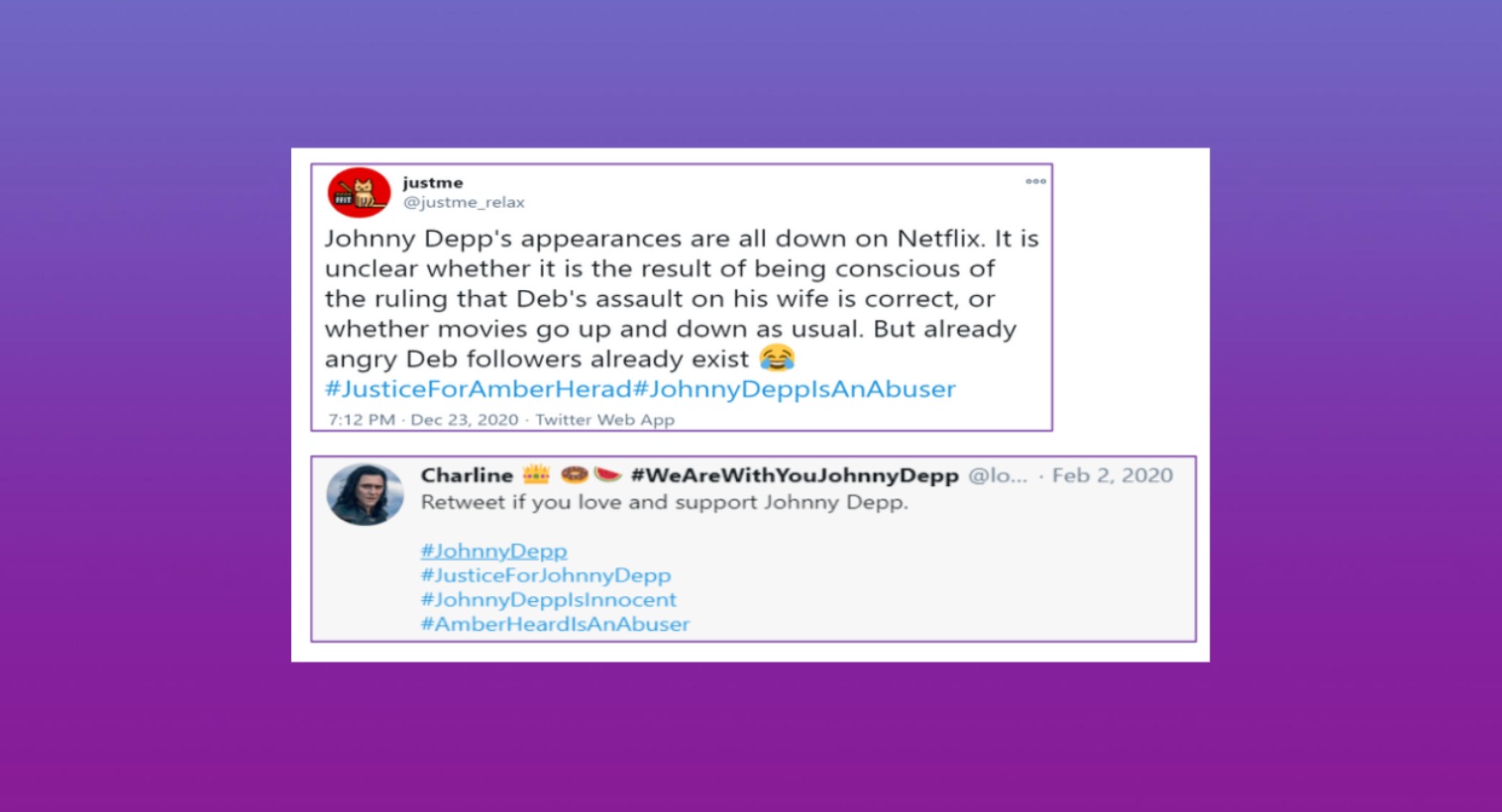
Johnny Depp Disinformation Campaign
January 2, 2020
Discovery of fake Twitter profiles driving discourse on the Depp-Heard trial.
US Healthcare
August 2, 2022
Inauthentic profiles are amplifying negative social media commentary regarding American healthcare.