


A deep analysis conducted by Cyabra studied fake campaigns across numerous social media platforms and revealed that fake profiles tagged as females, using women’s and girls’ photos in their profile pictures, gain almost 200% more potential views (exposure) compared to similar fake profiles tagged as men.
- Fake profiles impersonating women achieved 3 times more exposure than fake profiles tagged as male
- Among fake profiles, those that received the most potential views were either depicted as or claimed to be between the ages of 12 and 25
- Within the most effective age group, female fake profiles were again found to be the most effective, which makes the most effective fake profile a female between the ages of 12 and 25
- Bad actors have identified this phenomenon, and are using fake female profiles more than ever
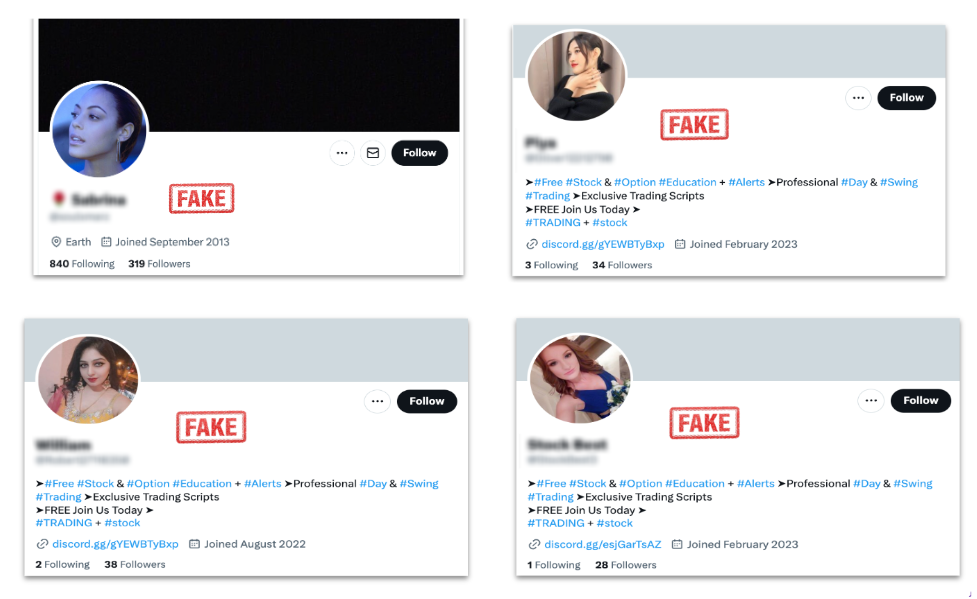
Examples of fake female profiles uncovered by Cyabra
The research, which utilized Cyabra’s unique technology to identify authenticity, studied 42,037 fake accounts across various social media platforms – X, Facebook, Instagram, and TikTok. The aim of the research was examining fake profiles that participated in conversations, and analyzing the key differences and similarities between them to gain a better understanding of the methods of social engineering attacks.
Cyabra’s analysts examined topics, PR crises, and trends discussed in the past year, such as the Loblaws supermarket boycott, the fake campaign against Tyson Foods, the fake accounts selling Netflix logins, sportswear brand Rip Curl PR crisis, and the attack on gym chain Planet Fitness, that was started by a fake profiles. The analysis also included studies of election disinformation and global events.
The findings were crystal clear: across all social media platforms, fake profiles that impersonated women, and particularly girls, got more engagement, more eyeballs, and more influence than fake accounts tagged as men. How many more? Check out the graph below, showcasing the huge difference in potential views gained by fake profiles of women vs. men. Overall, fake female profiles gained 3 times more exposure than their fake male counterparts received.
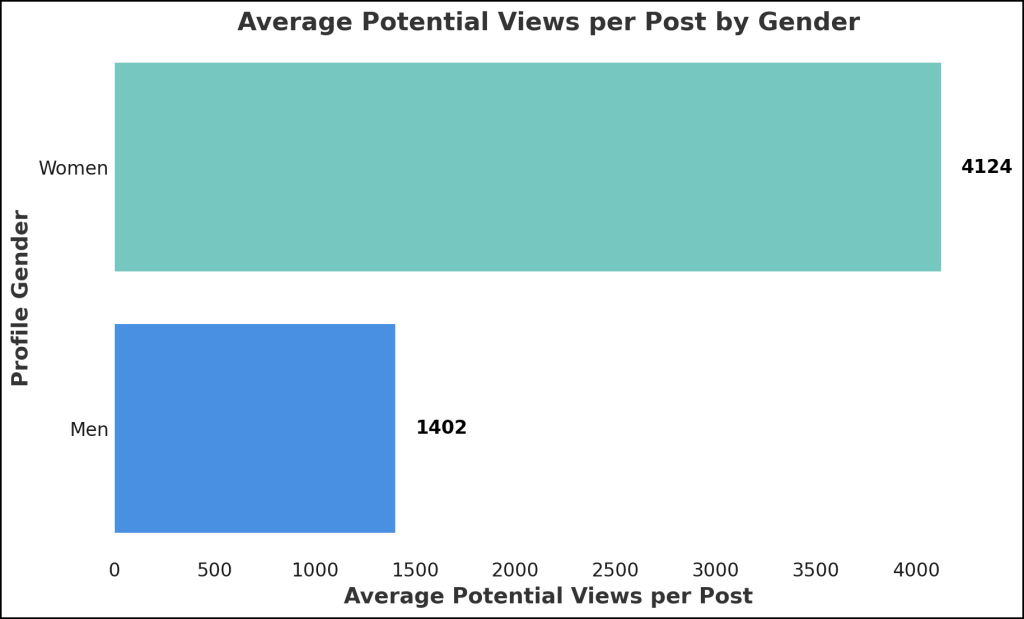
Fake Girls vs. Fake Boys
Nowadays, identifying fake profiles has become more difficult than ever, especially with the recent advancements in GenAI, which bad actors harness to make fake profiles appear more authentic and credible. However, identifying a fake profile’s perceived gender only requires examining its profile picture, its name, and whether a gender was mentioned either in the bio or in the content of the posts.
Many female fake profiles also use a profile picture of a young girl, or state a young age in their bio. This is done because female profiles that are observed as young girls or young women actually receive more views compared to any other age groups, as is witnessed in the graph below, representing the ages of fake female profiles and the number of potential views they received.
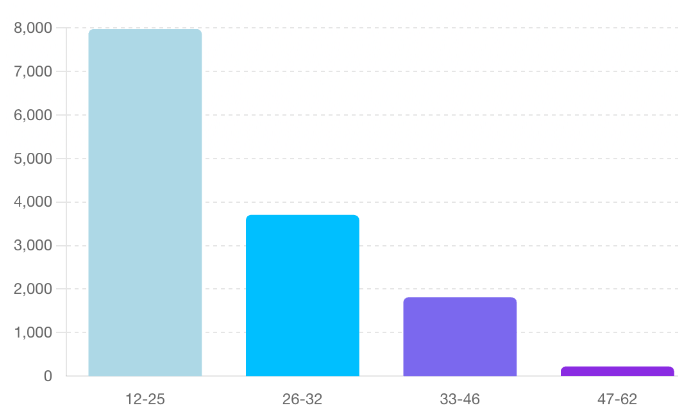
As seen above, fake female profiles that are observed to be between 12 and 25 years old are the age group that gained substantially more views than any other age group.
Pretending to be female is just one of the many ways in which bad actors prove to be knowledgeable and well-versed in the works of social media platforms and their algorithms. While the number of fake profiles is in constant growth, and they are present in every conversation and latch onto any trending topic, it is both fascinating and frightening to learn how they are able to reach more authentic eyes than ever before. In this age of disinformation on social media, giving our teams the tools and capabilities to identify fake profiles and detect attack campaigns has become more crucial than ever. Contact Cyabra to learn more.