Financial Sector
Cyabra is leading the way in misinformation detection and provides us with meaningful insights that help us keep a pulse on all the different ways that our brands are being talked about.

The capacity for disinformation to spread is a risk that has always been around, but never at the scale, velocity, and magnitude that we are experiencing in the world today. Cyabra has demonstrated that it can identify bots, and detect how quickly disinformation is propagating.

Large audiences provide a large opportunity for nefarious actors to use it as a hook to either push new types of disinformation narratives or to connect long-standing disinformation narratives to exploit this new opportunity. Cyabra has really done a good job at identifying the information and just presenting it to you in a way that […]
Whereas social media listening tools address mentions and sentiment, Cyabra goes deeper, analyzing the profiles involved in the discourse, exposing bots, and uncovering fake campaigns. Cyabra’s technology helps companies detect attacks against their brand, respond in real-time, and defend themselves online.

Disinformation campaigns can quickly damage brands, causing harm to their reputation. Cyabra’s AI-powered platform helps us stay ahead of these threats, giving clients the insights they need to act swiftly and decisively.

Our Work

- Cyabra has identified fake accounts engaging in discussions related to Activision on Facebook.
- These accounts advertised hacking services to recover user accounts, specifically mentioning Activision as one of the platforms where these services can be provided.
- By asking users to send them direct messages with their issues, the bots exposed them to potential theft of personal information from Activision platform.
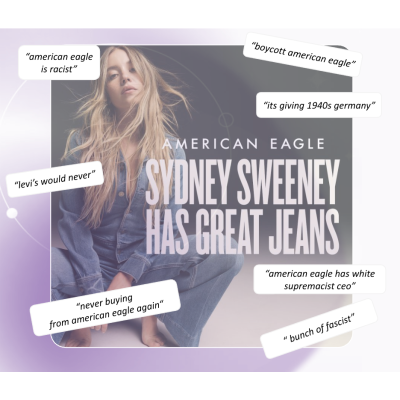
- When American Eagle launched a 2025 campaign featuring Sydney Sweeney with the tagline “Sydney Sweeney Has Great Jeans,” it quickly spiraled into a reputation crisis.
- Inauthentic profiles drove a 4,000% spike in harmful sentiment and generated over 77,000 engagements on TikTok alone.
- Fake profiles positioned themselves in high-visibility comment sections to maximize exposure, creating a disproportionate impact on the overall conversation.
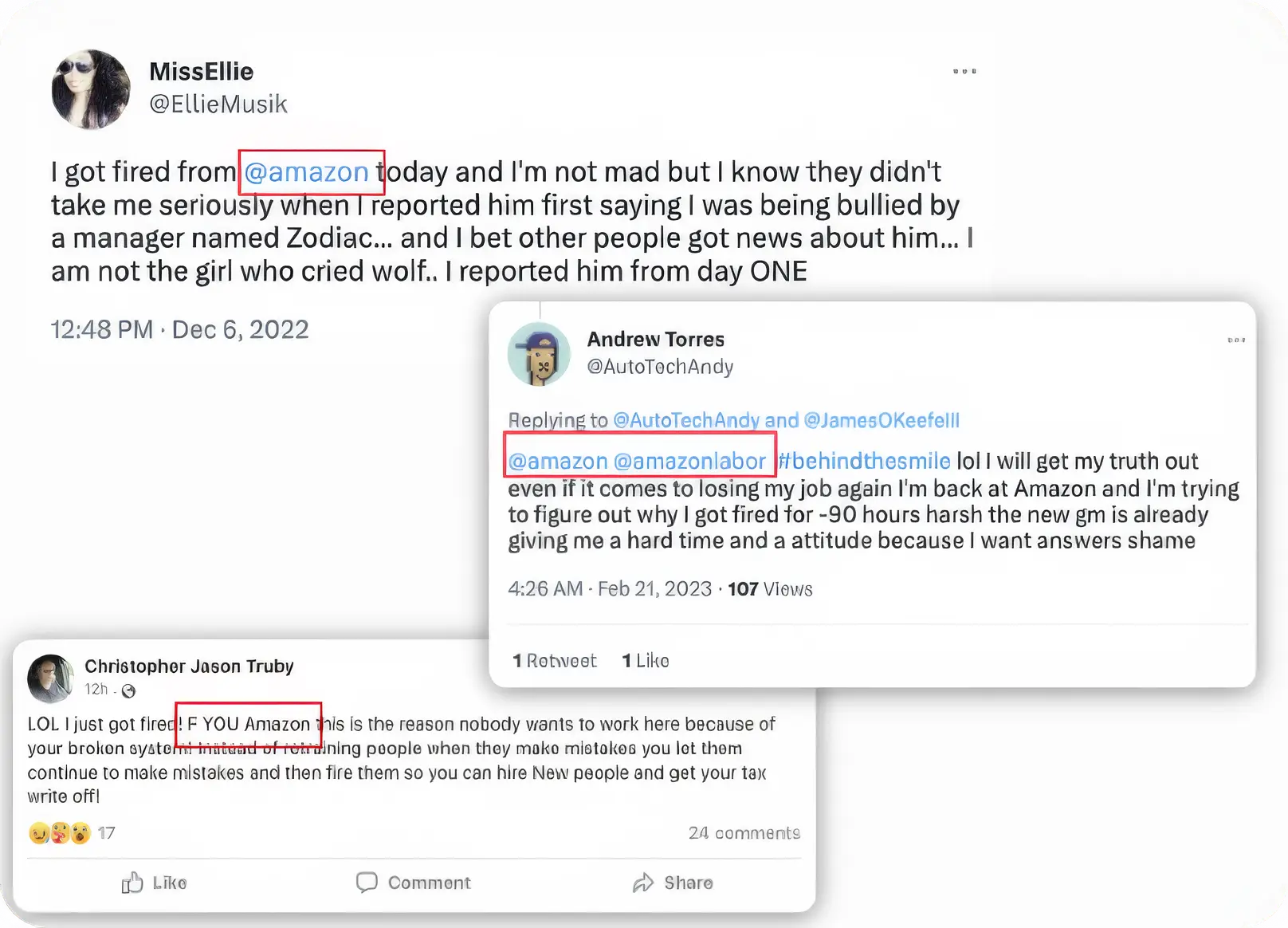
- Cyabra discovered a Twitter account posting negative content against Amazon, claiming being fired for reporting sexual harassment.
- The profile posted 6 negative tweets, attempting to spread scandal and harm Amazon’s online reputation.
- Several other profiles shared similar content, implying a growing insider threat risking the brand name.
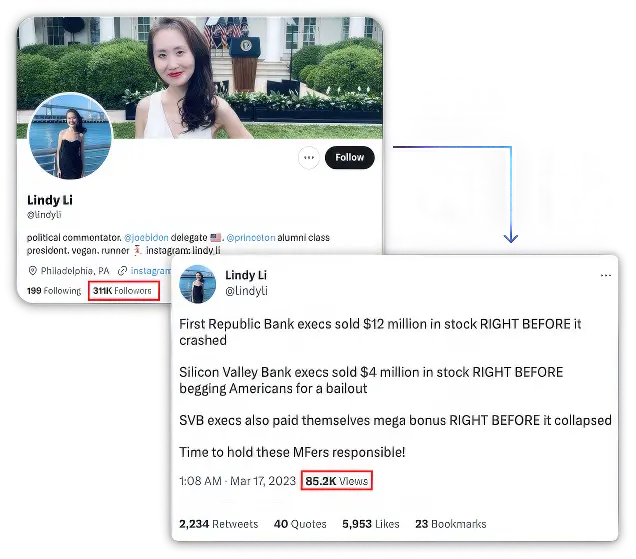
- Cyabra discovered First Republic Bank’s sentiment dropped by 165% following the collapse of the Silicon Valley Bank.
- Threat actors, some with engagements of over 94,000 profiles, drove negative conversations using two main hashtags: #Bankcollapse and #Bankingcrisis, causing massive harm to the bank’s reputation.
- The first post that shared content about First Republic Bank’s stock spread false claims of the cause for shares dropping.
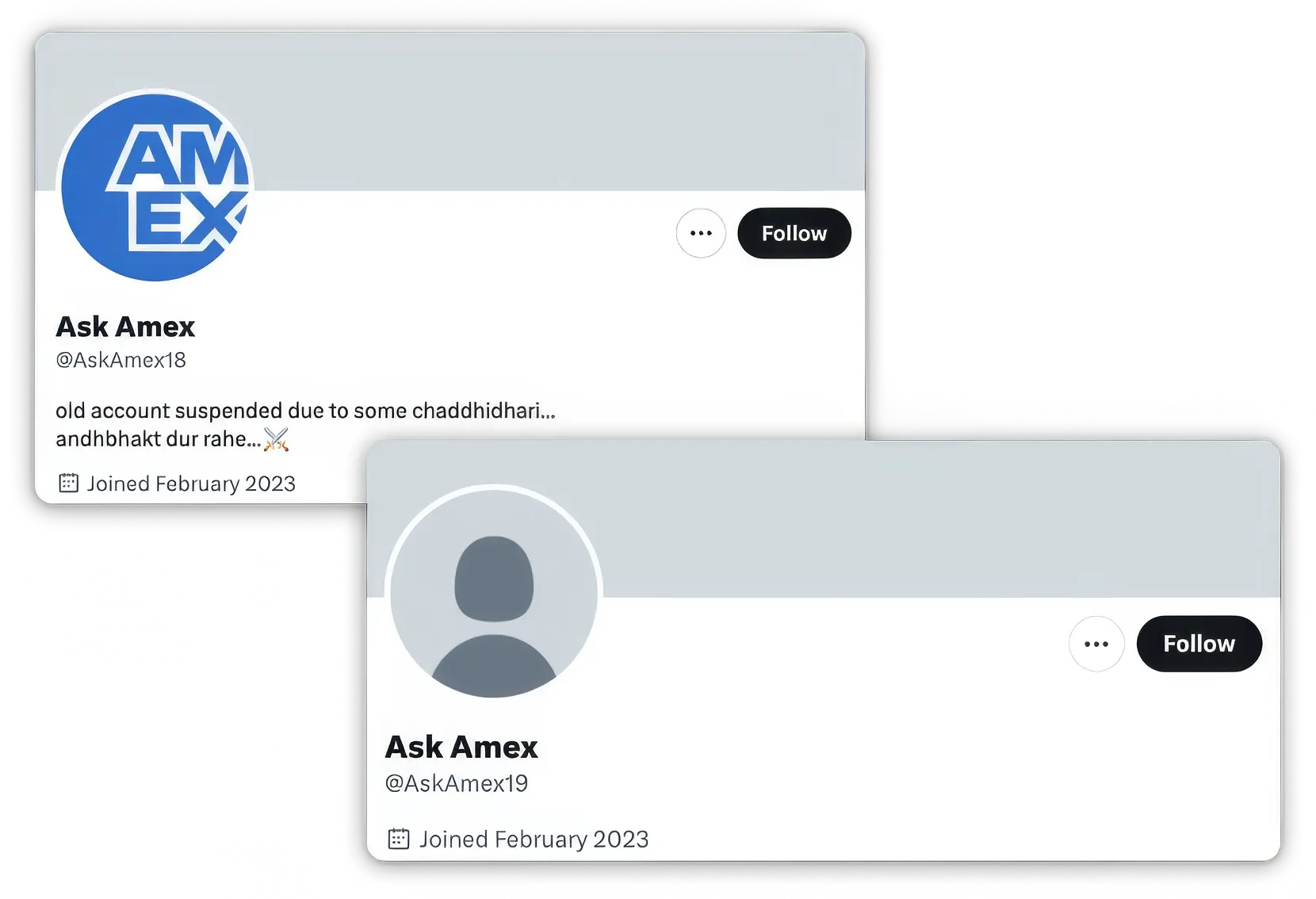
- Cyabra uncovered two Twitter profiles that were created in February 2023, specifically designed to impersonate the official page of American Express’ customer service.
- The impersonator used the company’s logo and claimed to be the official account.
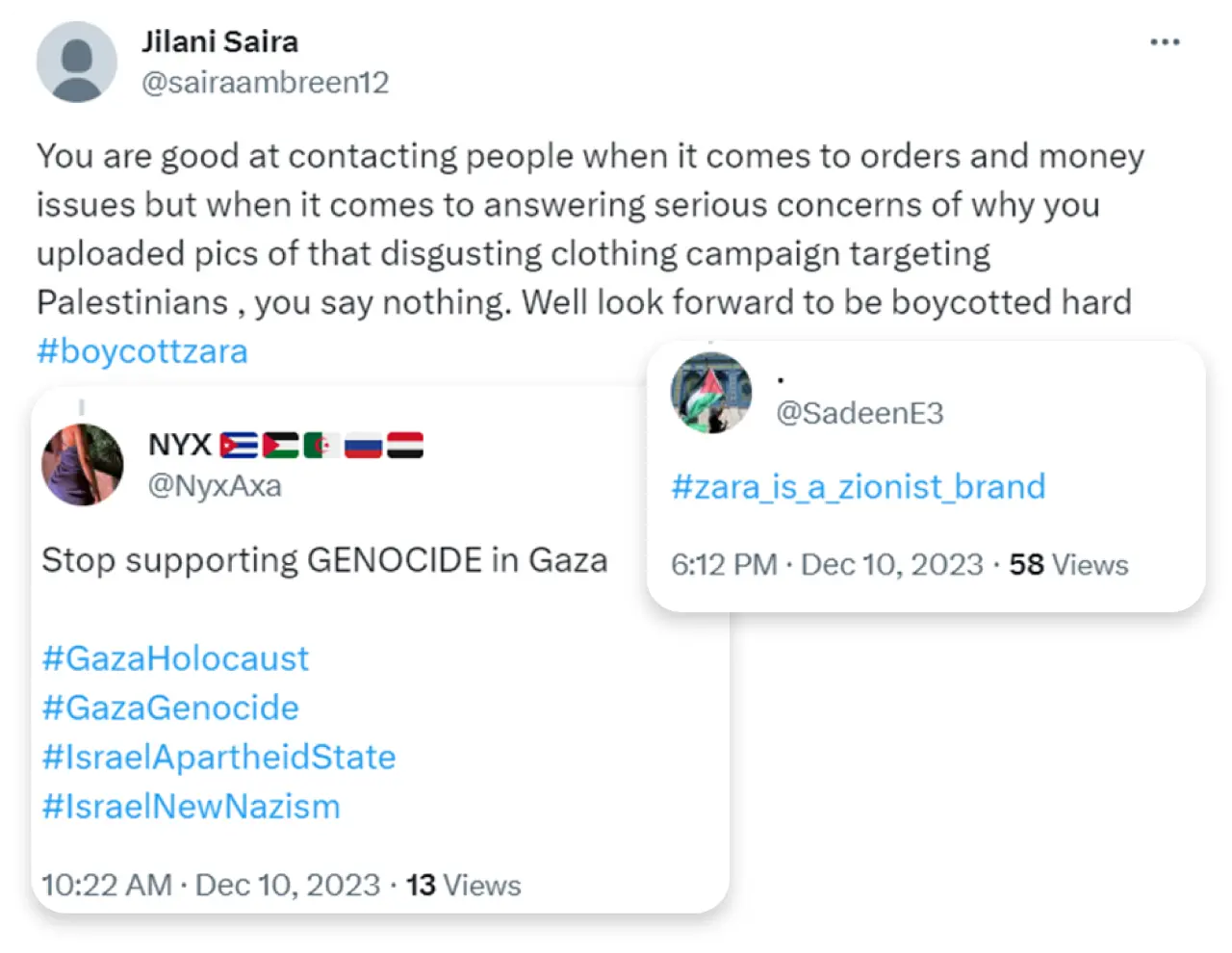
- Cyabra identified 580 profiles that were negatively interacting with Zara on X (Twitter). 39% of the profiles were fake.
- Using the hashtags #BoycottZara, and #Zara_is_a_Zionist_brand, the profiles tied Zara’s new fashion campaign to the Israel-Hamas war and to images of death and destruction in Gaza.
- The profiles heavily impacted the virality of the protest, which shifted into live demonstrations and vandalism in Zara’s stores across the world, and eventually forced Zara to take down the campaign.
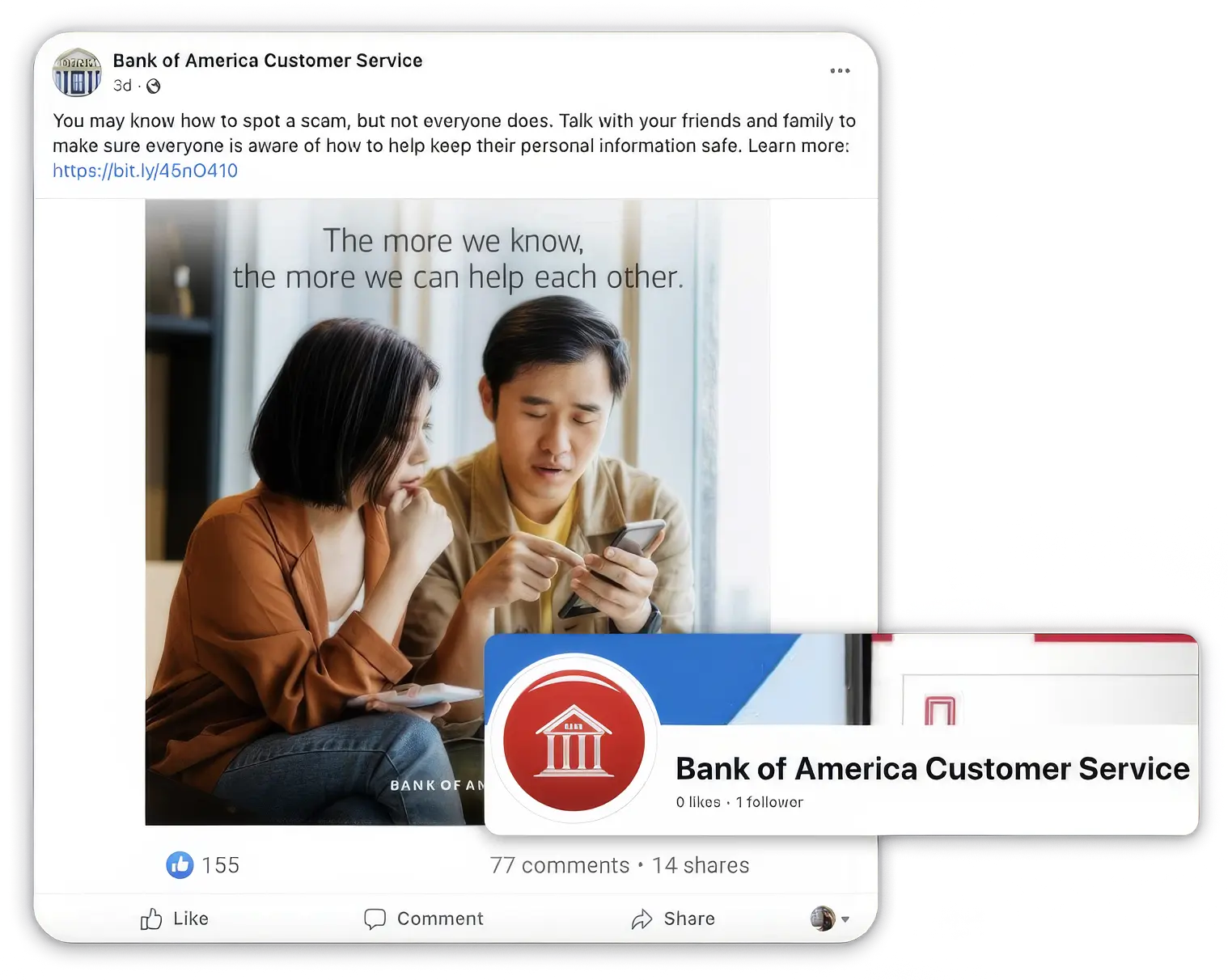
- Cyabra discovered an immediate cyber threat targeting Bank of America, with 8 Facebook accounts impersonating the bank’s customer service.
- A significant number of the threat actors disseminated identical content, indicating a common source orchestrating their activity.
- Cyabra uncovered 9 fake Facebook accounts impersonated Ticketmaster customer service pages, using the same images and content.
- The accounts used screenshots that included the extensive engagements of the original posts, creating the false image of vast activity.
- The uncovered profiles are still active on Facebook to this day.
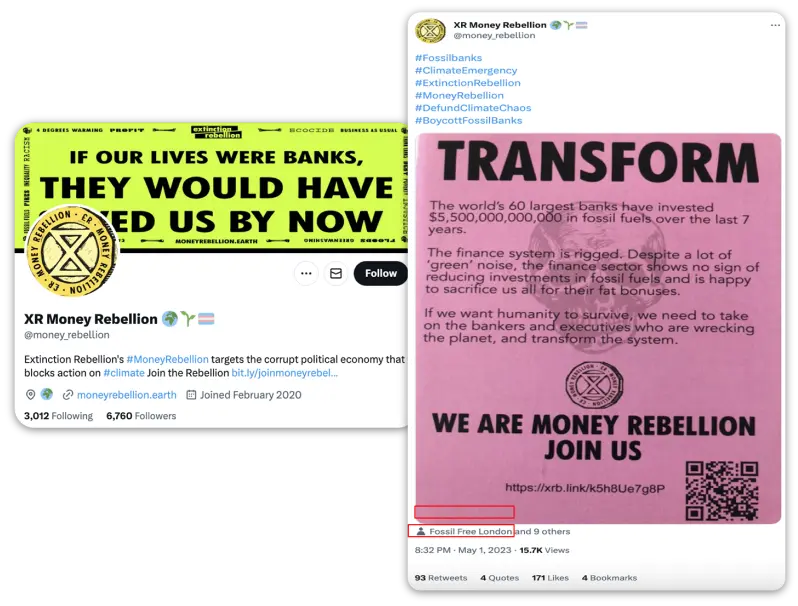
- Cyabra analyzed social media conversations to identify potential threats preceding the disruption of Barclays’ annual general meeting in London.
- The tweet on the right asking people to rebel against the banks received over 90 reposts and reached nearly 16,000 profiles.
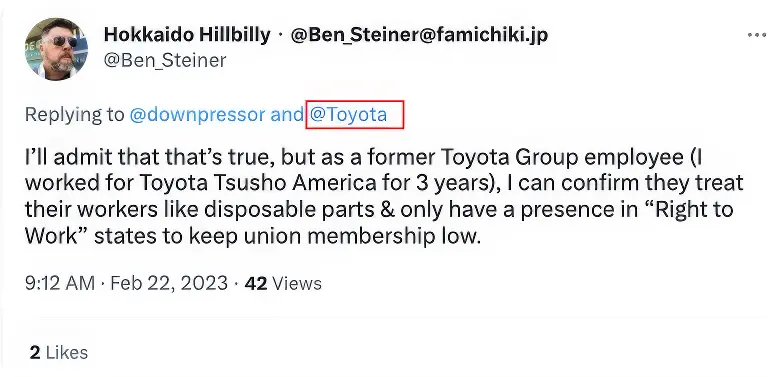
- Cyabra uncovered a threat actor who was a former Toyota employee criticizing the brand for poor employee treatment and attempting to harm its reputation.
- The tweet reached the eyes of over 6,000 Twitter profiles.
- The profile mentioned Toyota in 27 different posts, proving a major brand reputation risk.