

Narrative Alerts
Find the Narrative Before it Breaks
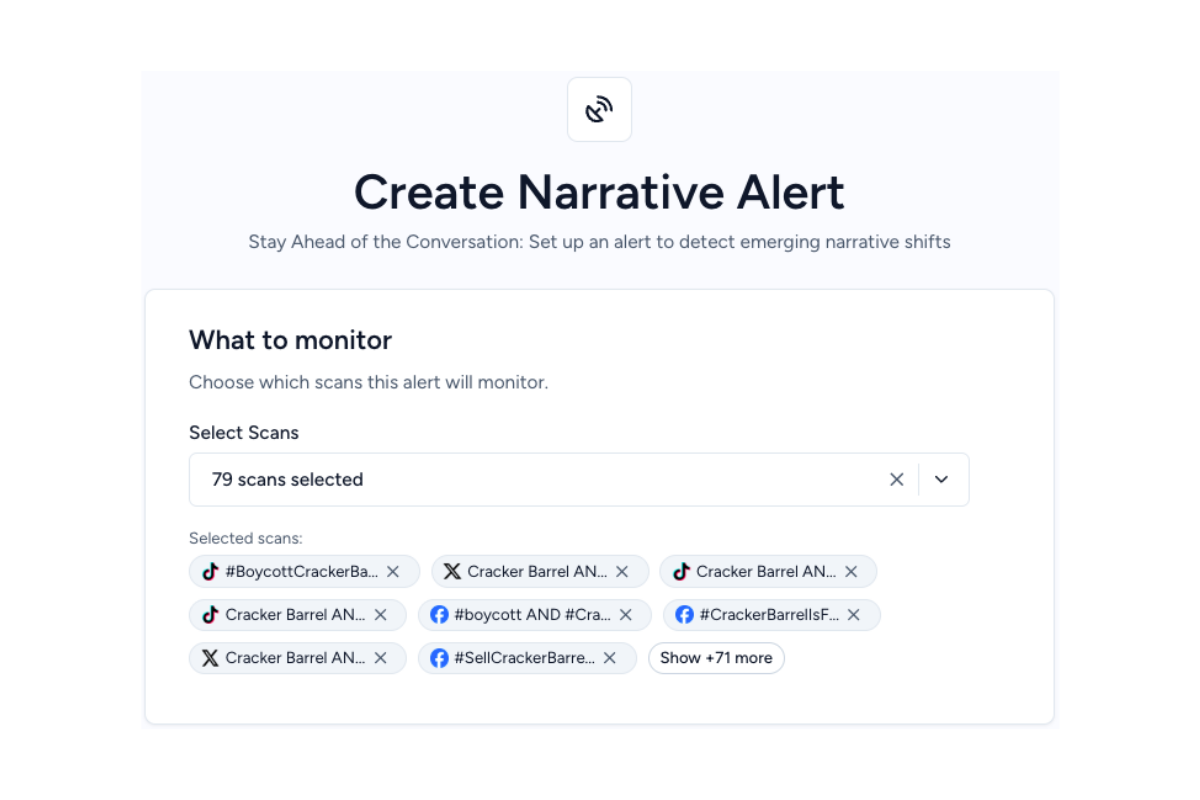
Stop chasing trends and responding to crises and start anticipating them. Cyabra’s AI-powered Narrative Alerts act as your real-time radar, detecting harmful or manipulated narratives before they escalate, and alerting you to any change in the conversation.
Why Narrative Alerts?

Early Warning System
By the time a narrative is viral, the damage to reputation is already done.

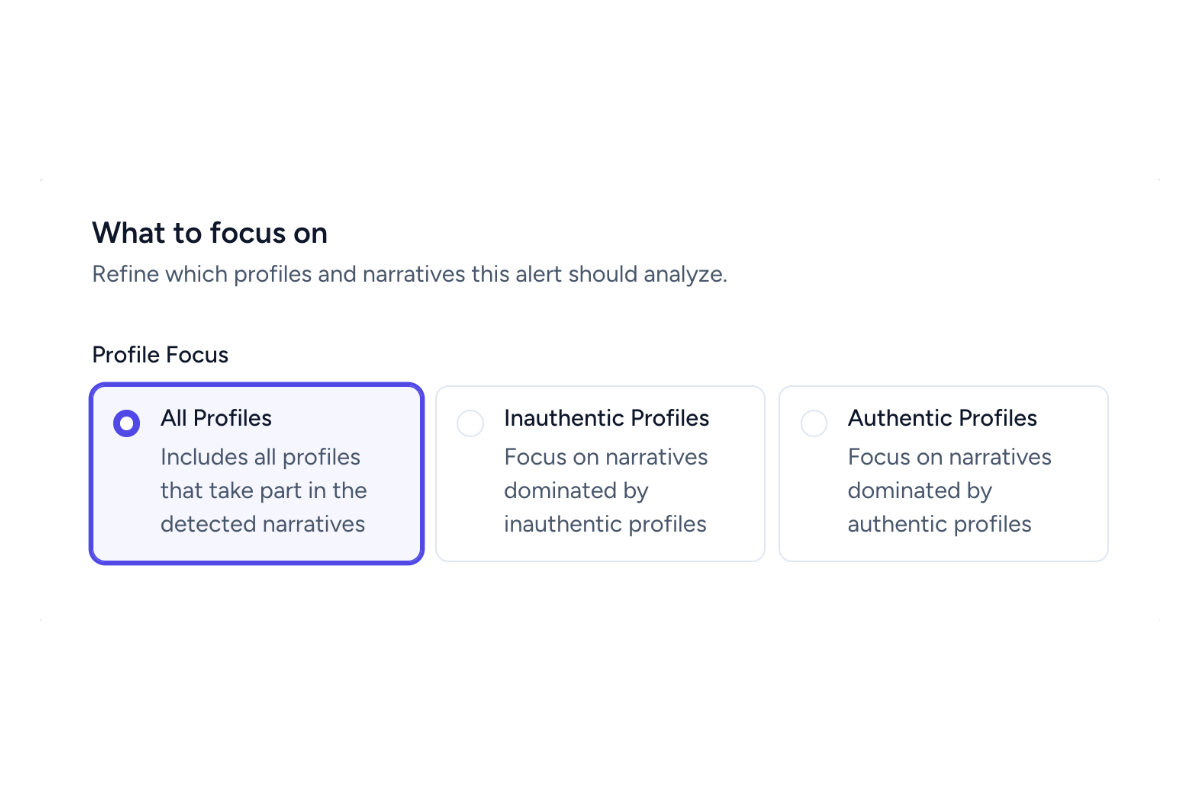
Authenticity Filter
Bad actors use fake accounts and AI-generated content to give false stories the rhythm of authentic discourse.

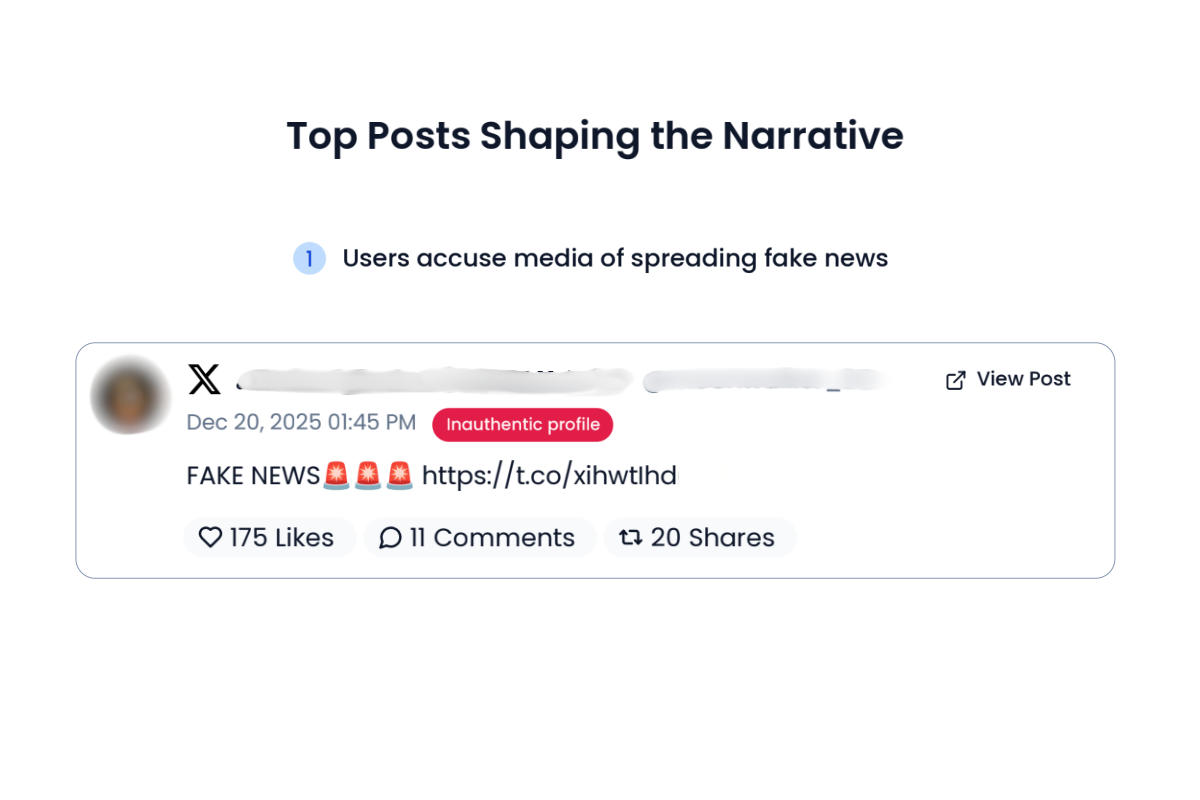
Actionable Context
Raw data is useless without knowing who is driving the narrative and why it matters.

Automated Cadence
Communication teams shouldn't have to watch a dashboard 24/7 to stay in control.

Cyabra is leading the way in misinformation detection and provides us with meaningful insights that help us keep a pulse on all the different ways that our brands are being talked about.

Frequently Asked Questions
Traditional tools require teams to manually monitor dashboards for trends. Cyabra’s Narrative Alert does the watching for you, delivering real-time intelligence directly to your inbox so you can focus on response rather than detection.
An alert is triggered when a harmful or suspicious narrative – such as disinformation, extremism, or harassment – is detected and has significantly changed or accelerated since the last monitoring period.
Cyabra monitors for a wide range of threats including mis/disinformation, crises and issues, hate and harassment, impersonation, scams, extremism, and many others.
Yes. For governments, it safeguards elections and national security. For brands, it protects consumer trust and identifies boycott campaigns or reputation threats before they go viral.