Inside the Online Storm Surrounding the Starbucks Barista Walkout

Cyabra identifies how genuine activism and orchestrated manipulation collided in Starbucks’ digital fallout.

Starbucks’ barista walkout quickly grew beyond a workplace dispute as online activity around the protest surged by more than 1,000 percent in a single day. Authentic voices rallied behind workers, while criticism and political attention pushed the conversation even further into the spotlight.

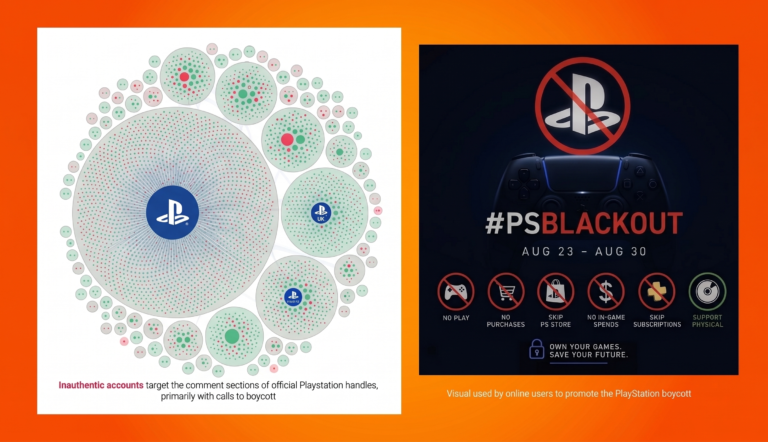
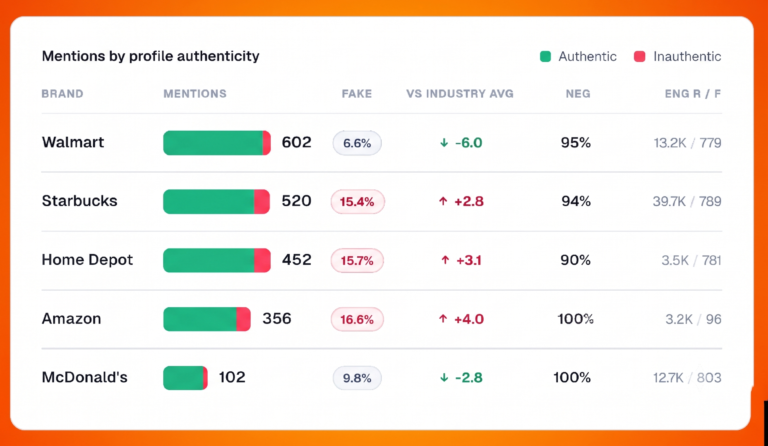
Cyabra’s analysis revealed a surprising twist: 23 percent of the profiles fueling this discussion were fake. These inauthentic accounts didn’t operate on their own. They collided with real voices, amplifying tensions, distorting narratives, and shaping how millions understood the protest.

Explore the full report to see how this mix of authentic and fake activity reshaped Starbucks’ reputation.

#Brand Reputation, Threat Actors

Share this report
Share this report

Fill up the form below and receive the full report directly to your inbox

Related reports

Unmasking the Shadows

March 3, 2025

Cyabra analyzed state-sponsored fake campaign and bot network to understand their impact on public perception.

Network visualization of clustered social media accounts, large green circles illustrating conversation volume and red dots marking suspected disinformation sources

#National Security, Threat Actors

Brand Reputation – Starbucks

April 1, 2023

Analysis of negative sentiment towards Starbucks and its potential to harm.

Side-by-side tweets about Starbucks labor disputes, left displaying a rally poster reading “One day longer, one day stronger” with the Starbucks siren logo, right showing a Reuters image of former CEO Howard Schultz standing before a large Starbucks emblem

#Brand Reputation

Prime Minister Sanna Marin – Research Analysis

August 1, 2022

Analyzing the tone of online discourse surrounding Prime Minister Sanna Marin.

World map displaying purple bubbles labeled with counts of social media accounts per region, showing highest concentration in Europe (1.1k) and notable clusters in North America, Asia, and Australia

#National Security