How Online Narratives Reshaped South Korea's Elections
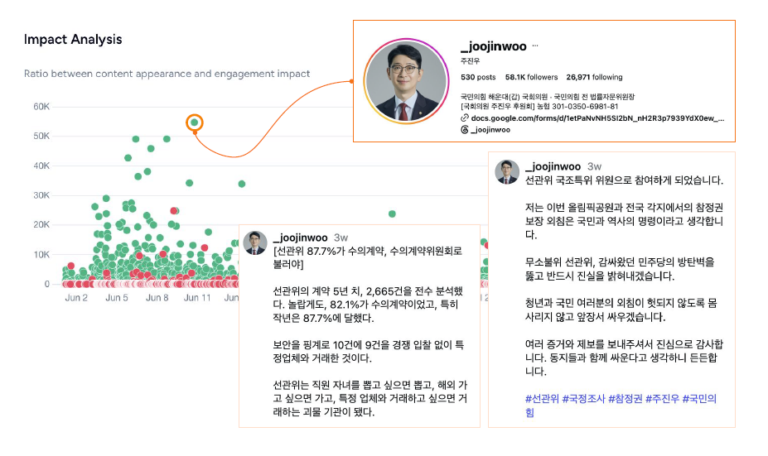
Cyabra's analysis found a coordinated network of inauthentic accounts amplifying election fraud claims following a ballot paper shortage during South Korea's June 3 elections.
Cyabra is Named a Market Shaper in the June 2026 Gartner® Emerging Market Quadrant for Narrative Intelligence – Startup Vendors
Get Free Report
Cyabra's latest report reveals that the networks driving climate misinformation have grown larger, more interconnected, and more effective at pushing misleading narratives. While the share of fake accounts rose only slightly, their activity exploded, with engagements jumping 119% in a single year.
The analysis shows fake accounts clustering around influential weather and science voices and posting in tight, synchronized patterns. Key hashtags such as #ClimateScam, #ClimateHoax, and #ClimateCon remained consistently dominant.
The full report provides a clear view of how climate misinformation is organized and amplified online and offers essential insights for organizations seeking to understand and counter these tactics.

Cyabra's analysis found a coordinated network of inauthentic accounts amplifying election fraud claims following a ballot paper shortage during South Korea's June 3 elections.
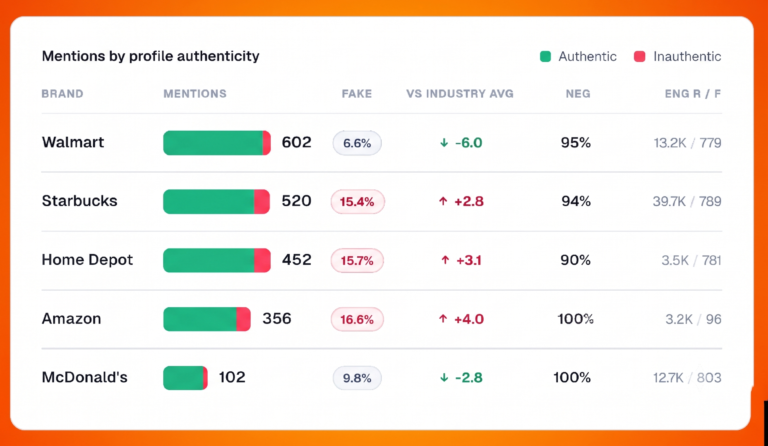
Cyabra's analysis of the boycott targeting five major U.S. retailers found inauthentic accounts padding volume and hopping between brands, without manufacturing the underlying anger.
Cyabra found that fake accounts driving stock market conversations grew 4 percentage points in 2025, with coordinated networks manipulating investor sentiment through both negative and promotional narratives.