The Rising Influence of Fake Accounts in the Online Climate Change Conversation
Cyabra’s latest analysis gives a data-driven look at how inauthentic profiles amplify climate misinformation across online conversations.
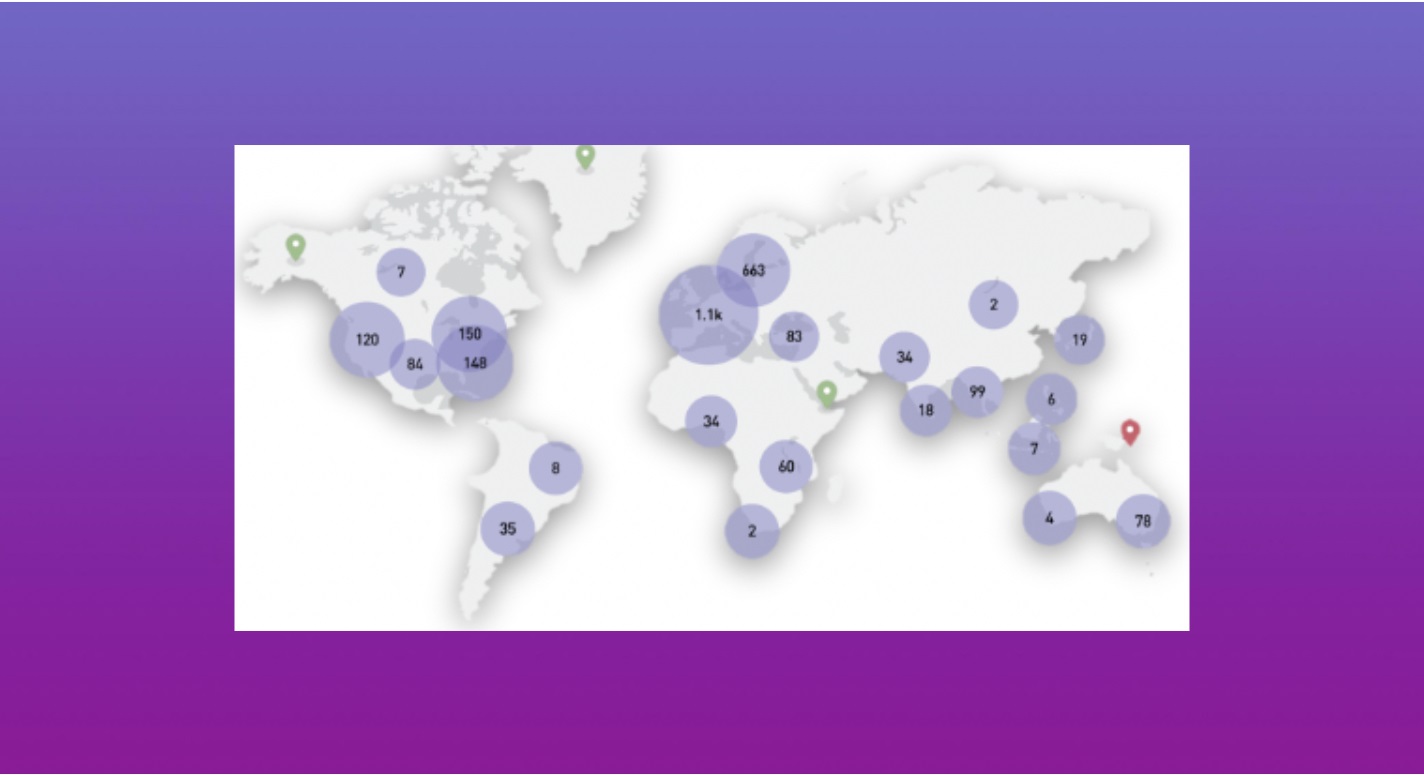
Cyabra's latest report reveals that the networks driving climate misinformation have grown larger, more interconnected, and more effective at pushing misleading narratives. While the share of fake accounts rose only slightly, their activity exploded, with engagements jumping 119% in a single year.
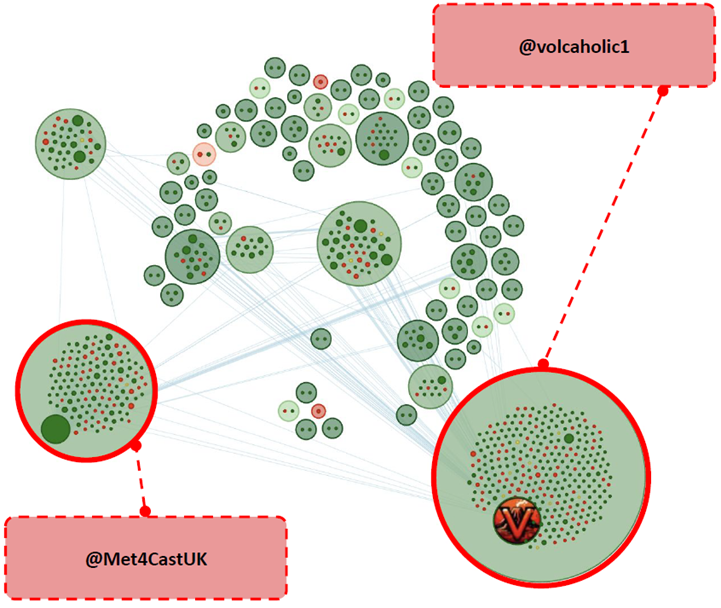
The analysis shows fake accounts clustering around influential weather and science voices and posting in tight, synchronized patterns. Key hashtags such as #ClimateScam, #ClimateHoax, and #ClimateCon remained consistently dominant.
The full report provides a clear view of how climate misinformation is organized and amplified online and offers essential insights for organizations seeking to understand and counter these tactics.
#Threat Actors
Fill up the form below and receive the full report directly to your inbox
Related reports
Fake Campaigns – Amazon
May 11, 2023
Cyabra detected fake profiles participating in spamming campaigns discussing Amazon.

Data Leaks – JPMorgan
August 13, 2023
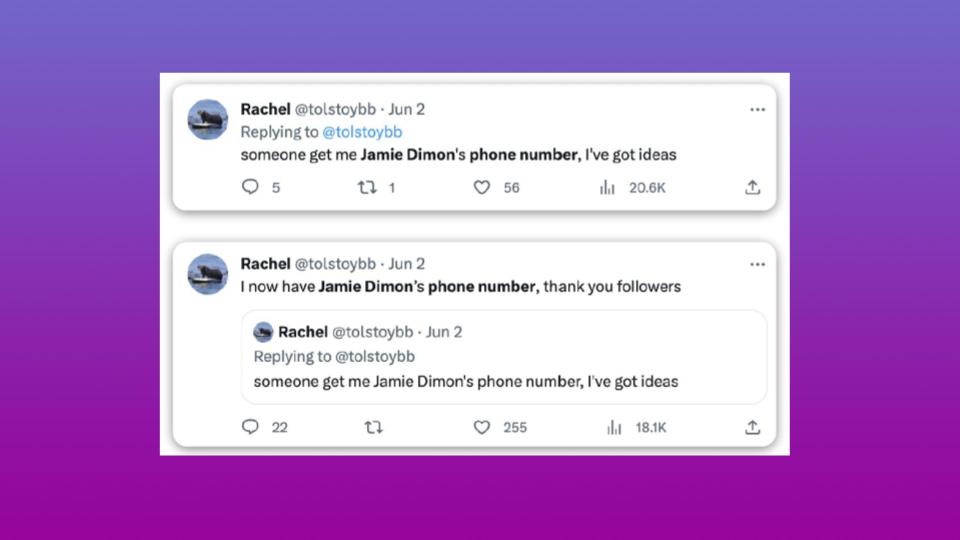
Within hours, a Twitter profile received JPMorgan's CEO contact details.
Prime Minister Sanna Marin – Research Analysis
August 1, 2022
Analyzing the tone of online discourse surrounding Prime Minister Sanna Marin.