Abortion Misinformation on Social Media

Identifying harmful disinformation following The Supreme Court’s overturning of Roe v Wade.

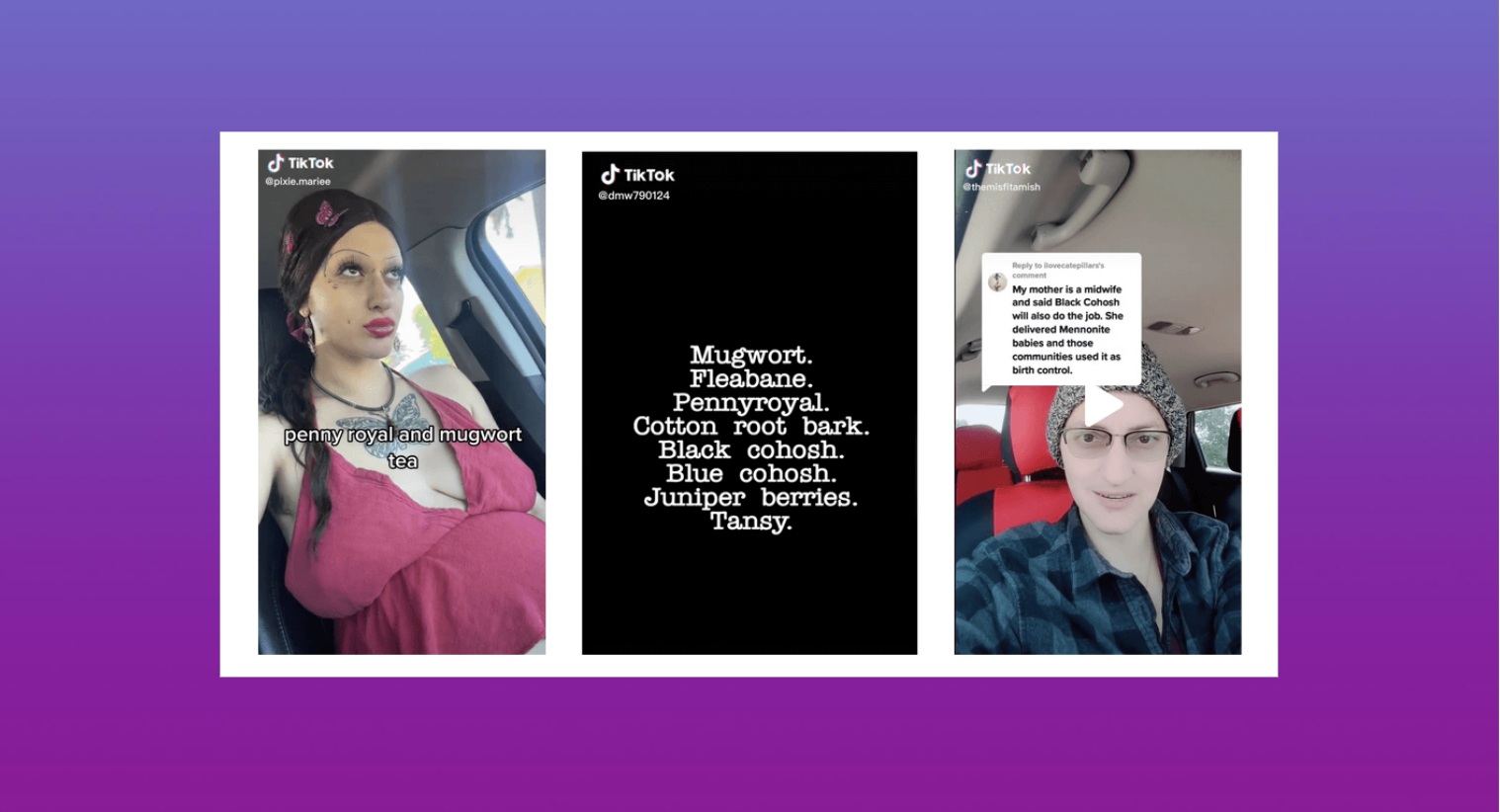
Following the overturning of Roe v Wade, social media accounts on Facebook, Twitter and TikTok started sharing misinformation on herbal remedies that could be used for home abortions, a practice experts say can be dangerous. TikTok contained the most misinformation, and also the most extremist content, in which the intention was often not disguised.

#National Security
Share this report
Three TikTok posts promoting unproven herbal abortion methods: a pregnant person recommends pennyroyal and mugwort tea, a text slide lists multiple herbs such as mugwort, fleabane, cotton root bark and tansy, and another user in a car endorses black cohosh
Share this report

Fill up the form below and receive the full report directly to your inbox

Related reports

Midterms 2022 Overview

October 2, 2022

Analysis shows inauthentic users prevalent for Democrat and Republican supporting Twitter accounts.
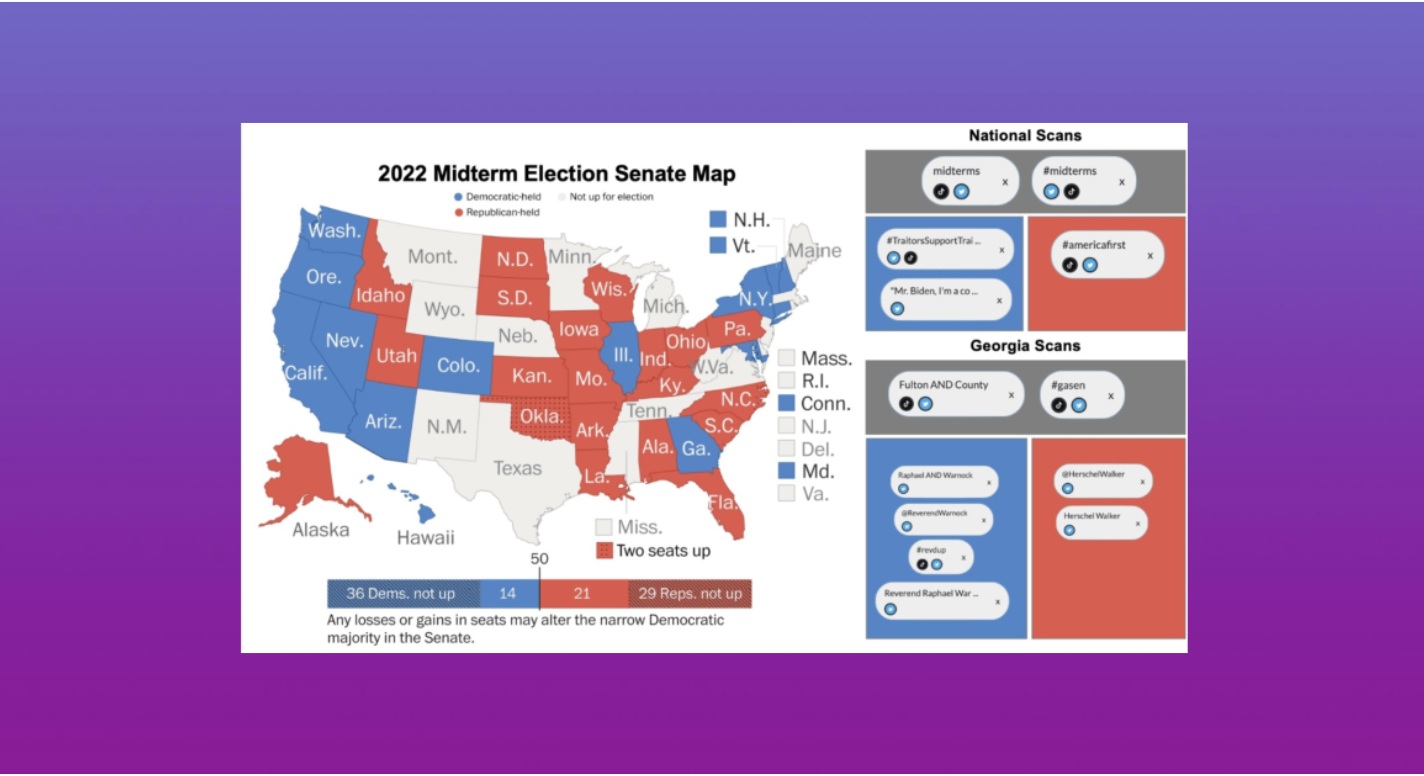
Map showing 2022 U.S. Senate races with Democratic-held states in blue and Republican-held states in red, next to panels listing national and Georgia-specific social media scan topics and hashtags

#Elections

Trump’s Verdict

June 30, 2024

Cyabra analyzed the prominent sentiment and bot influence discussing Trump's trial verdict.
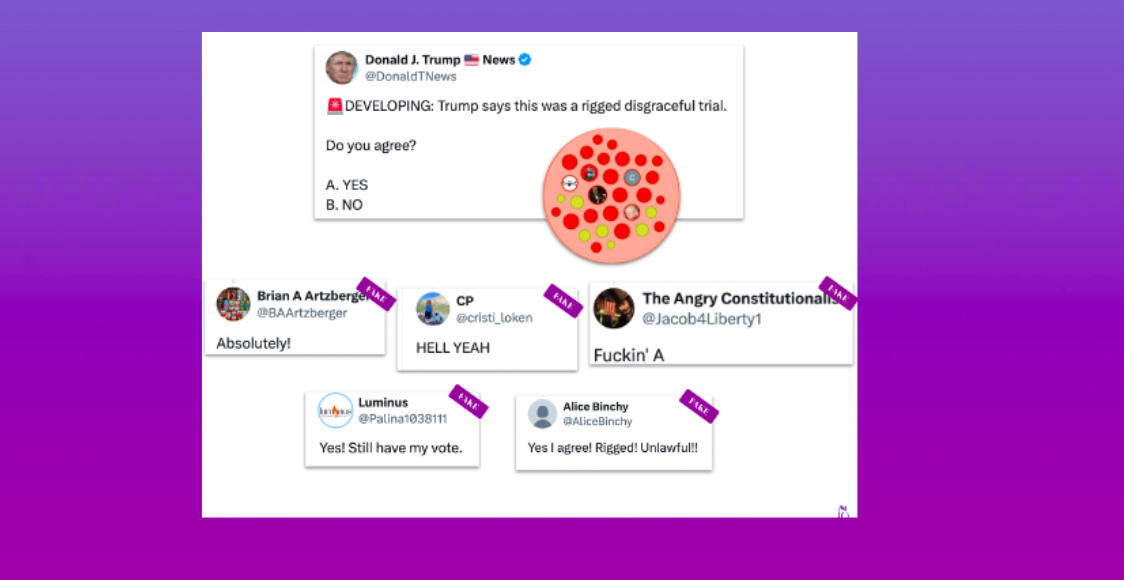
Visualization of bot-like accounts replying affirmatively to a fabricated Donald J. Trump News poll about a “rigged disgraceful trial,” with fake account labels and a network diagram highlighting coordinated activity

#Elections

Fake Campaigns – Amazon

May 11, 2023

Cyabra detected fake profiles participating in spamming campaigns discussing Amazon.

Tweet by user @am_rank9 on purple gradient background showing May 21 Amazon book ranking, highlighting Blue Lock volume 25 special edition in 2nd place with Japanese and English text, an Amazon short link, and timestamp

#Brand Reputation