Coordinated Inauthentic Activity in the 2026 US Midterm Races
Cyabra’s analysis of six competitive 2026 midterm races found coordinated inauthentic activity in every race, concentrated in candidates’ replies sections.
Cyabra is Named a Market Shaper in the June 2026 Gartner® Emerging Market Quadrant for Narrative Intelligence – Startup Vendors
Get Free Report
Cyabra’s analysis found that fabricated Michigan and Ohio results drew 3.4 million views on X before polls closed. One inauthentic account seeded the Michigan numbers and asked X’s AI chatbot to confirm them. Real users carried them the rest of the way.
Across five competitive midterm races, 18.7% of X posts on Election Day came from inauthentic accounts, up from 13.3% earlier in the campaign. On Election Day, nearly one in three replies and comments on Sen. Roger Marshall’s pages came from inauthentic accounts.
The report names the narratives that surfaced in the final stretch, from fabricated results to blame aimed at the other side, and shows where they reached real audiences.
It also maps the coordination indicators behind the activity, including reply swarms, dormant accounts switched on for the finish, and accounts working several races at once.
Cyabra’s analysis of six competitive 2026 midterm races found coordinated inauthentic activity in every race, concentrated in candidates’ replies sections.
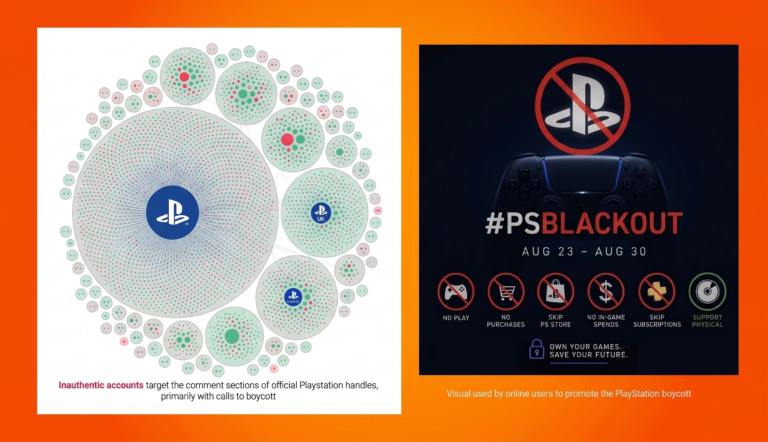
Sony's decision to phase out physical PlayStation discs activated a pre-organized movement, attracted coordinated inauthentic amplification, and generated over 100 million views before the brand had responded.
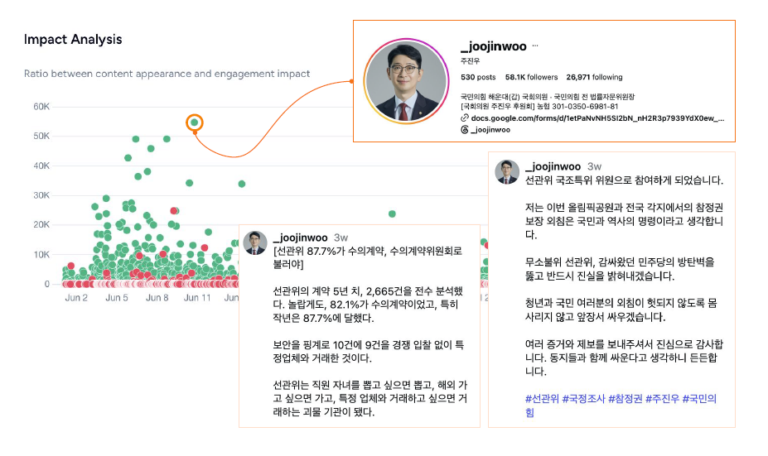
Cyabra's analysis found a coordinated network of inauthentic accounts amplifying election fraud claims following a ballot paper shortage during South Korea's June 3 elections.