






How Iran Used AI to Fight a War Online
Cyabra analyzed coordinated online activity surrounding the ongoing conflict with Iran, uncovering a large-scale influence operation that generated over 145 million views across major social…
Cyabra equips security and cyber teams with real-time visibility to distinguish organic activity from coordinated influence, translating evidence into clear mitigation pathways aligned with platform standards and institutional mandates.
Request a DemoIdentify coordinated campaigns, impersonation, and fake activity before they escalate into operational risk.
Monitor digital threats targeting leadership, infrastructure, and high-value events.
Uncover influence operations (IO), bot networks, and information warfare operating across platforms.
Add authenticity and narrative intelligence to existing SOC and threat intelligence workflows.
The risk of AI being used in ways that are malicious is very real. The quality of AI-generated disinformation is very high, making it difficult to discern real from fake. Cyabra has created a rigorous methodology to combat disinformation at the scale, speed, and cost that can counter AI's capacity to generate and disseminate it.
Cybersecurity has gone beyond attacking infrastructure. Threat actors increasingly operate in open digital environments and are shaping narratives, targeting executives, impersonating brands, and creating coordinated attacks and fake campaigns. AI-generated content and bot networks allow adversaries to scale manipulation faster than traditional monitoring tools can detect. Online conversations can quickly escalate into reputational damage, stock volatility, physical risk, or geopolitical impact. Security teams require real-time visibility into actors, behaviors, and content shaping perception. Cyabra provides structured, evidence-led insight into information environments, helping organizations respond proportionately and with confidence.
Be notified instantly when disinformation, misinformation or other manipulation is detected around brands, executives, communities, or any trending concerning topic.
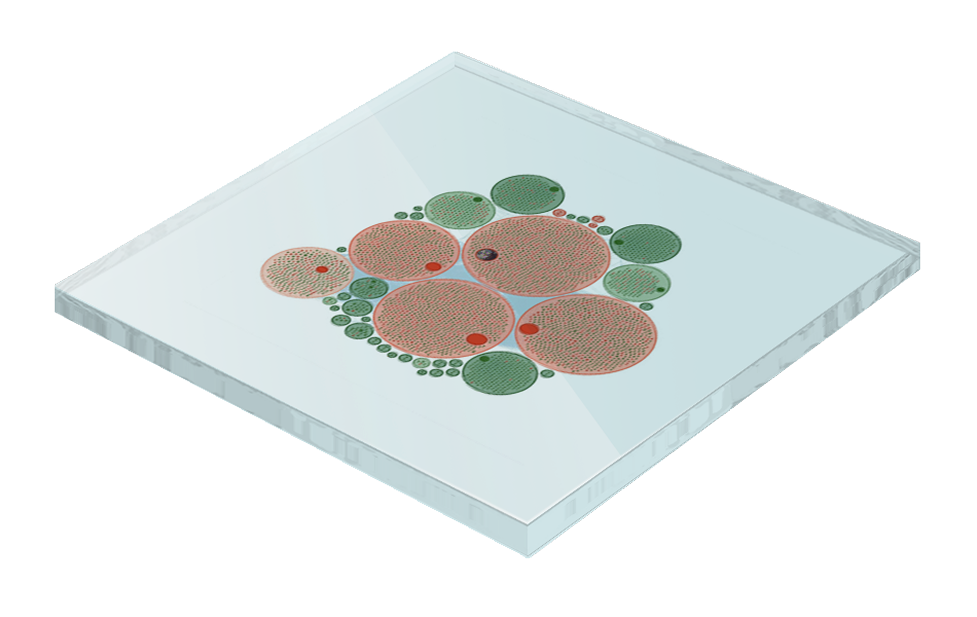
Cyabra analyzes content, behavior, and accounts, so you can see the who and not just the what.
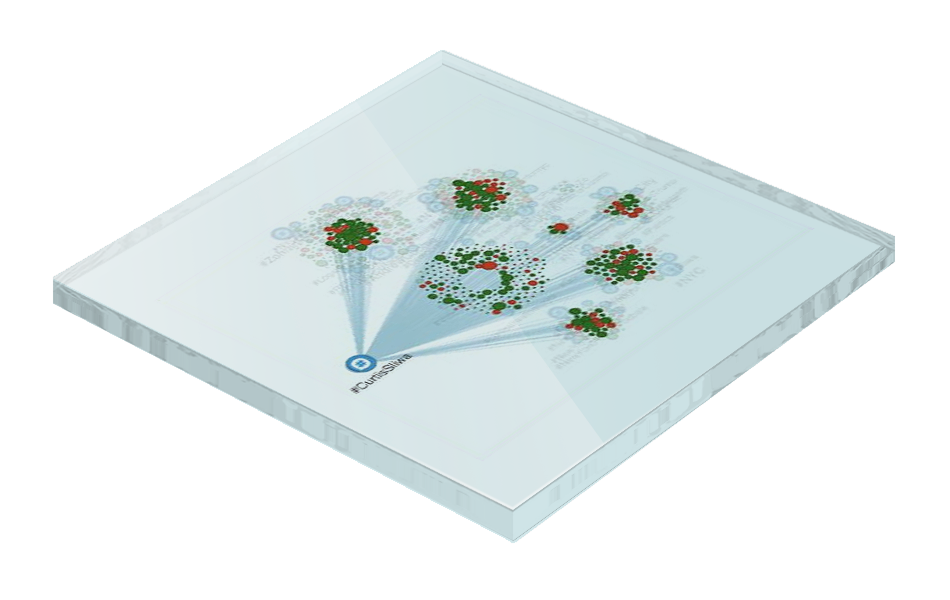
Visualize how a coordinated campaign starts, spreads, and gains traction, across channels and communities.
Multi-language NLP and behavioral models trained for social threat patterns.
Deploy Cyabra within your secure environment for full data control and compliance
An early warning system that helps you detect and act on emerging threats
In-depth reports by Cyabra’s analysts, translating data into actionable insights
Fast onboarding, plug-and-play access for corporate teams
Custom integrations with existing financial risk systems
Most threat intelligence solutions focus on infrastructure, malware, and network indicators. Cyabra extends that visibility into open digital environments, detecting coordinated influence activity, impersonation, and fake actors before they translate into operational, reputational, or physical risk.
Not anymore. Threat actors use social platforms to coordinate attacks, impersonate executives, spread manipulated content, and test narratives before escalating. The marketing team is unequipped to deal with those threats. Security teams need visibility into these environments to understand emerging risk.
Traditional listening tools measure volume and sentiment. Cyabra measures authenticity: which efforts are coordinated, which engagement and impact is synthetic, which profiles are fake, and whether a narrative is being artificially amplified.
No. Cyabra complements your existing stack by adding visibility into open digital environments. We extend threat intelligence to actors, behaviors, and content operating outside traditional infrastructure. Cyabra can also integrate into your existing system and become part of your data flow.
Yes. Cyabra provides alerts, dashboards, and detailed reports that support security operations without disrupting existing processes, and can be delivered via API and integrated into existing data stacks.
No. Most digital threats build gradually. Continuous monitoring allows security teams to detect early signals before they evolve into operational, reputational, or physical risk.
Understand how actors, behaviors, and content connect across platforms.
Distinguish organic activity from coordinated orchestration.
Translate evidence and coordination indicators into clear mitigation workflows.