

From tech giants to small businesses, fake profiles present a significant threat to companies across all industries, including retailers, banks, ride-hailing companies, supermarkets, gaming companies, and media streaming services among many others.
It’s a well-known fact that bots make up 5 to 8% of social media conversations, but during a PR crisis, this percentage can rise significantly, which is why understanding the how and who behind these attacks is crucial to prevent serious damage to your company’s reputation.
How Bots Amplify Negative Content
Bots are at their most dangerous when your company is in the midst of a PR crisis. Whether it’s your company taking a stand on a divisive issue, or launching a new product that customers deemed unsatisfactory – bots will leap at the chance to shift the narrative and paint your brand in the worst possible light.
Knowing that instigating a PR crisis from scratch can be more challenging (though it’s been done before), malicious actors instead opt for the easier route, attaching themselves to an existing crisis and magnifying its impact.
As soon as they see a crisis brewing, fake profiles flood the conversation with negative content, posting far more frequently than authentic users, effectively making a small issue appear much larger than it actually is.
They do this during a PR crisis because it’s much easier for them to blend in and appear genuine when they target an issue that seems like something an authentic user would oppose, rather than randomly hurling insults at your brand without any clear motive. It also gives them more exposure.
Recent Examples
There’s never a day off for bots. No matter what your company does, they’ll always be on the lookout for ways to insert themselves into a conversation and shift the narrative.
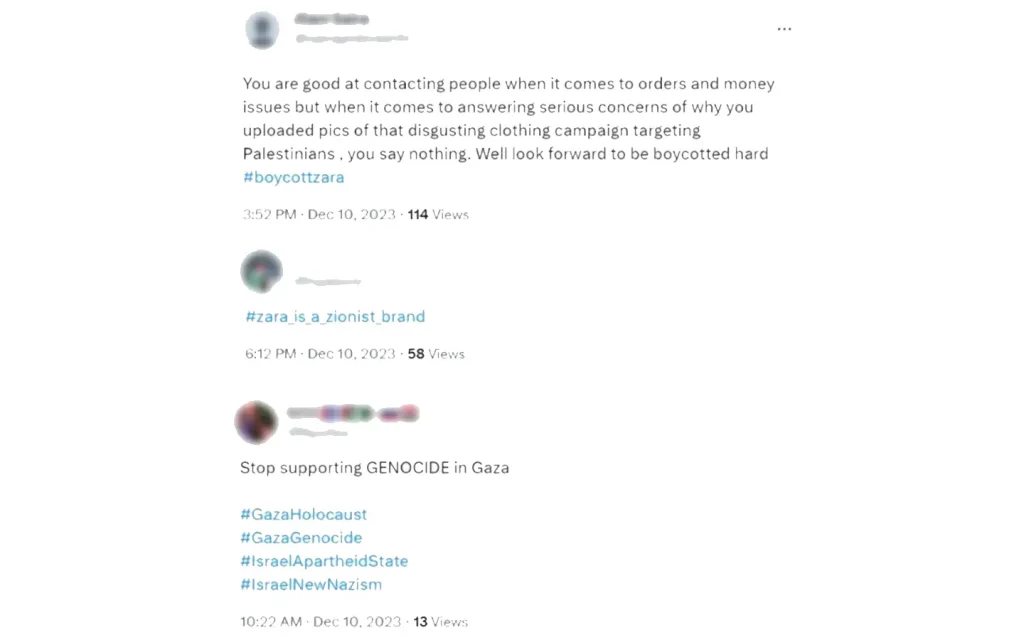
In one notable case, at the end of last year, Cyabra revealed that 39% of the profiles interacting with Zara during their PR crisis were fake, following the release of their “The Jacket” campaign in mid-December.
The campaign’s imagery sparked backlash due to its perceived resemblance to photos from the Israel-Hamas war, only for fake profiles to latch on with conspiracy theories, pushing hashtags like #Zara_is_a_Zionist_brand, which turned a brand crisis into a propaganda tool.
This not only impacted Zara’s campaign in the short term, but for the average social media user, who may not verify the validity of the claim, it can create a false and lasting impression that there is some truth behind it.
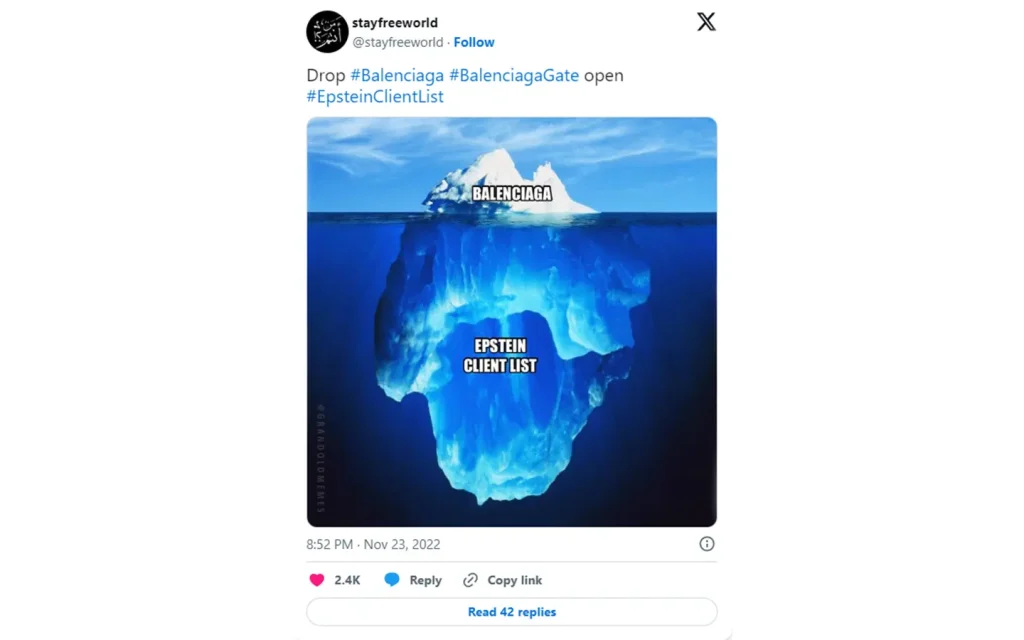
Taking things even further, your brand could be the target of even darker conspiracy theories, as was the case with Balenciaga’s misguided campaign in late 2022.
What began as genuine consumer outrage quickly escalated into wild accusations, including claims that Balenciaga was involved in child trafficking and satanic worship, which fueled an entirely new wave of disinformation – the scope of which was massive.
In total, these conspiracy theories sparked over 631,000 interactions and reached more than 7.7 million profiles on X alone, with additional millions of views on platforms like TikTok, where it remained a trending topic for weeks.
Cyabra Can Protect Your Brand
When fake profiles are part of the equation, even a small surge in online negativity can pose a serious risk to your brand, which is why it’s essential to detect fake profiles early and take action before they can cause irreparable damage.
Cyabra’s state-of-the-art bot detection and identification tool is capable of uncovering fake profiles, tracking disinformation campaigns, and providing real-time insights to help you respond effectively and safeguard your brand’s reputation.
Watch the video summary: