How Online Narratives Reshaped South Korea's Elections
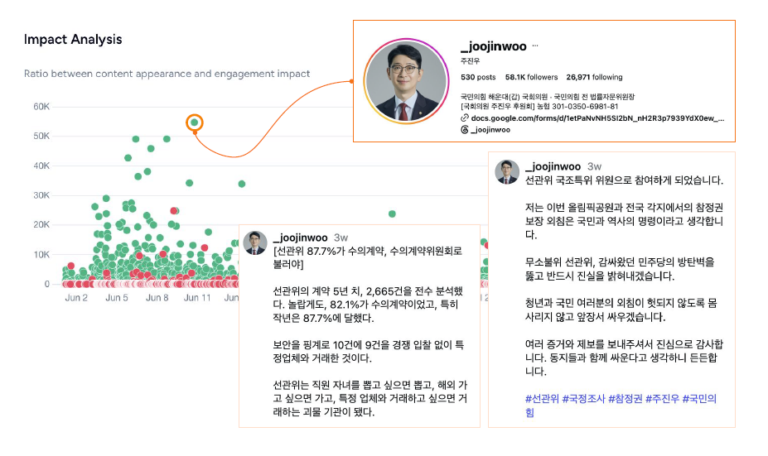
Cyabra's analysis found a coordinated network of inauthentic accounts amplifying election fraud claims following a ballot paper shortage during South Korea's June 3 elections.
Cyabra is Named a Market Shaper in the June 2026 Gartner® Emerging Market Quadrant for Narrative Intelligence – Startup Vendors
Get Free Report
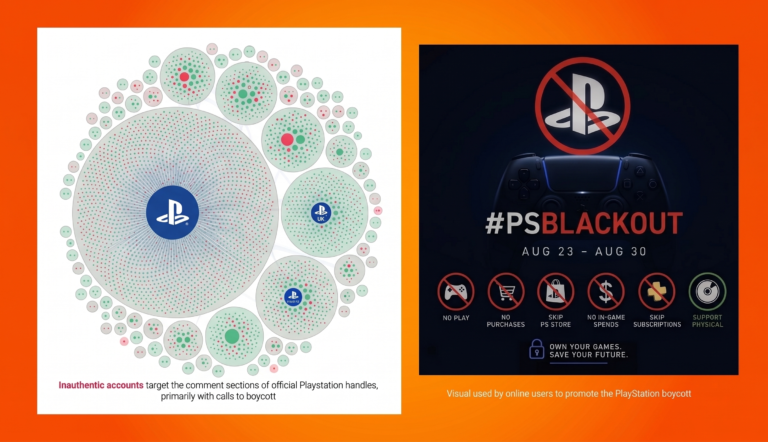
Throughout 2026, a wave of consumer boycotts has targeted Walmart, Starbucks, Home Depot, Amazon, and McDonald’s over their diversity, labor, and political positions. Inauthentic accounts appeared across every brand rather than concentrating on one target, with the highest share, over 20 percent, on X and Instagram.
Cyabra’s analysis of the retail boycott conversation found that 12.6 percent of the profiles engaging across Facebook, X, and Instagram were inauthentic. Among profiles taking a clear stance, negativity ran high on both sides, with authentic voices actually more negative than inauthentic ones, indicating the boycott anger itself is organically driven. The fake layer showed clear coordination signals: accounts recurring across brands, clustering beneath high-reach posts, and stuffing generic hashtags to inflate reach.

Cyabra's analysis found a coordinated network of inauthentic accounts amplifying election fraud claims following a ballot paper shortage during South Korea's June 3 elections.
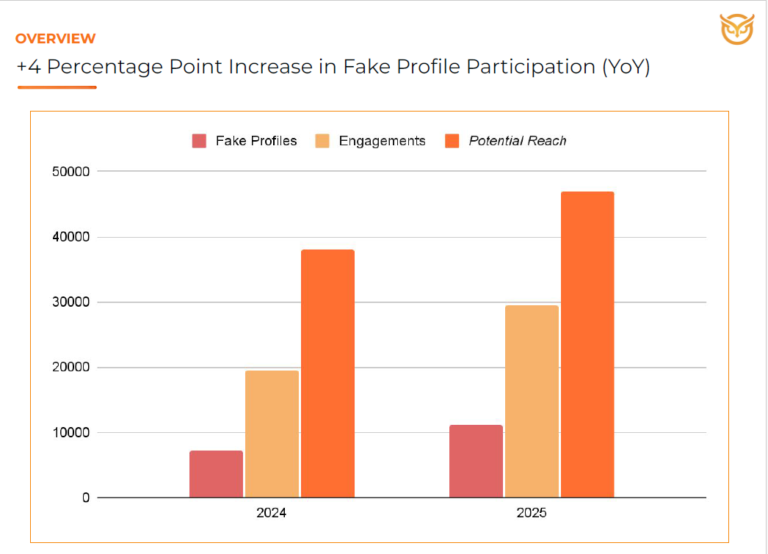
Cyabra found that fake accounts driving stock market conversations grew 4 percentage points in 2025, with coordinated networks manipulating investor sentiment through both negative and promotional narratives.
Cyabra's analysis, in collaboration with Onclusive, uncovered coordinated inauthentic activity behind several of the World Cup 2026's most viral controversies, from ticket scams to false claims about competing teams.