How Online Narratives Reshaped South Korea's Elections
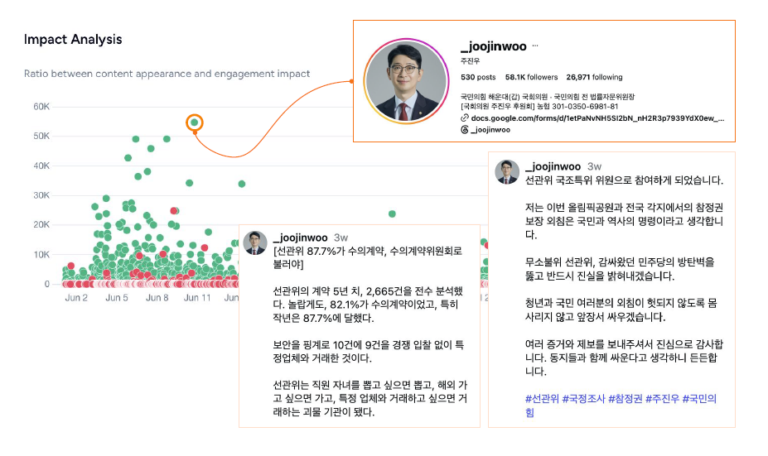
Cyabra's analysis found a coordinated network of inauthentic accounts amplifying election fraud claims following a ballot paper shortage during South Korea's June 3 elections.
Cyabra is Named a Market Shaper in the June 2026 Gartner® Emerging Market Quadrant for Narrative Intelligence – Startup Vendors
Get Free Report
Cyabra’s analysis of Nepal’s Gen Z–led protests found that nearly one-third of profiles were fake. These accounts blended into authentic conversations and pushed hashtags like #NepalProtest, #GenZProtest, #SocialMediaBan, #EnoughIsEnough, #September8, and #WakeUpNepal, making coordinated manipulation appear organic.
Fake profiles had an outsized effect, driving 326 million potential views. By amplifying narratives of youth resistance, police brutality, and political crisis, inauthentic voices amplified outrage and magnified visibility.
Cyabra's analysis found a coordinated network of inauthentic accounts amplifying election fraud claims following a ballot paper shortage during South Korea's June 3 elections.
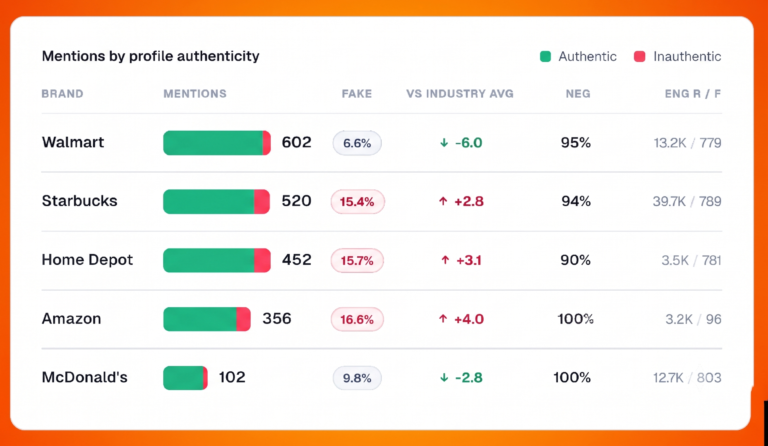
Cyabra's analysis of the boycott targeting five major U.S. retailers found inauthentic accounts padding volume and hopping between brands, without manufacturing the underlying anger.
Cyabra found that fake accounts driving stock market conversations grew 4 percentage points in 2025, with coordinated networks manipulating investor sentiment through both negative and promotional narratives.