How Online Narratives Reshaped South Korea's Elections
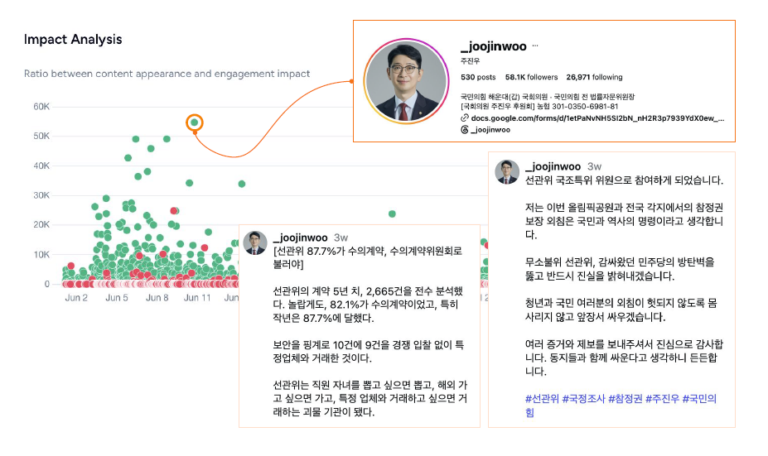
Cyabra's analysis found a coordinated network of inauthentic accounts amplifying election fraud claims following a ballot paper shortage during South Korea's June 3 elections.
Cyabra is Named a Market Shaper in the June 2026 Gartner® Emerging Market Quadrant for Narrative Intelligence – Startup Vendors
Get Free Report
Cyabra's analysis in the lead-up to Portugal's general election in May 2025 focused on the official accounts of political parties and their candidates, examining the narratives promoted by inauthentic
actors and the strategies employed to embed these messages into public discourse.
Cyabra found that 58% of the profiles commenting on Chega’s official X account were identified as fake, amplifying hundreds of pro-Chega comments. Across the official X accounts of the Socialist Party (PS), Social Democratic Party (PSD), Pedro Nuno Santos, and Luís Montenegro, an average of 49% of commenting profiles were fake.
Many of the fake profiles that attacked PS and PSD were also found promoting Chega and Ventura, sometimes within the same comment threads. This cross-campaign activity suggests a coordinated strategy to weaken establishment parties while amplifying support for the far-right alternative.

Cyabra's analysis found a coordinated network of inauthentic accounts amplifying election fraud claims following a ballot paper shortage during South Korea's June 3 elections.
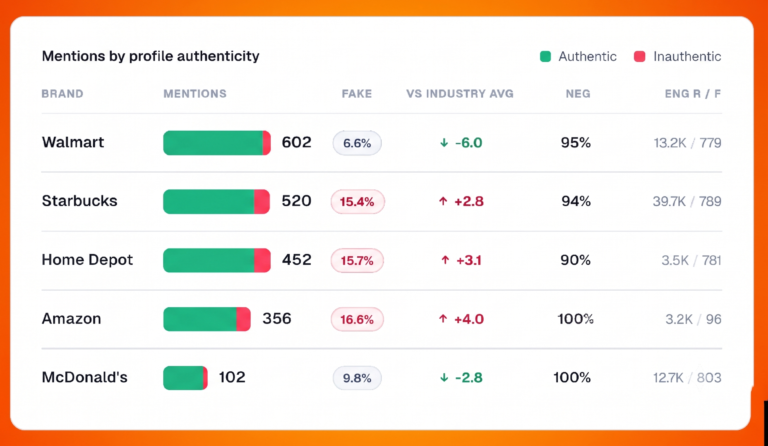
Cyabra's analysis of the boycott targeting five major U.S. retailers found inauthentic accounts padding volume and hopping between brands, without manufacturing the underlying anger.
Cyabra found that fake accounts driving stock market conversations grew 4 percentage points in 2025, with coordinated networks manipulating investor sentiment through both negative and promotional narratives.