How Online Narratives Reshaped South Korea's Elections
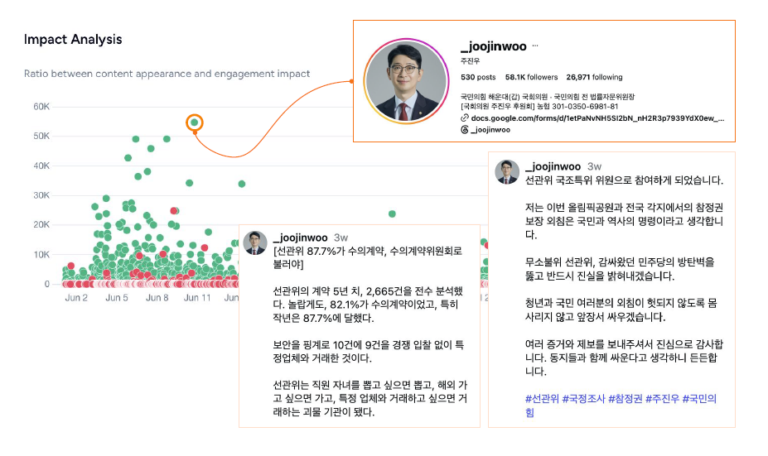
Cyabra's analysis found a coordinated network of inauthentic accounts amplifying election fraud claims following a ballot paper shortage during South Korea's June 3 elections.
Cyabra is Named a Market Shaper in the June 2026 Gartner® Emerging Market Quadrant for Narrative Intelligence – Startup Vendors
Get Free Report
Spotify launched a new logo on May 14, 2026, to mark its 20th anniversary. The redesign triggered an immediate and widespread negative reaction, with engagement spiking to approximately 500K interactions in a single day on May 17.
The negative discourse centered on narratives mocking the redesign, calling for designers to be fired, and predicting user loss, collectively accounting for 40% of the overall conversation. The report maps how these narratives spread and intensified across platforms.
23% of the profiles participating in the discourse were inauthentic, with activity peaking on May 19. Inauthentic accounts were actively participating alongside real users, concentrating around hashtags including #Spotify20 and #spotifylogo to increase visibility and push negative narratives further at scale.

Cyabra's analysis found a coordinated network of inauthentic accounts amplifying election fraud claims following a ballot paper shortage during South Korea's June 3 elections.
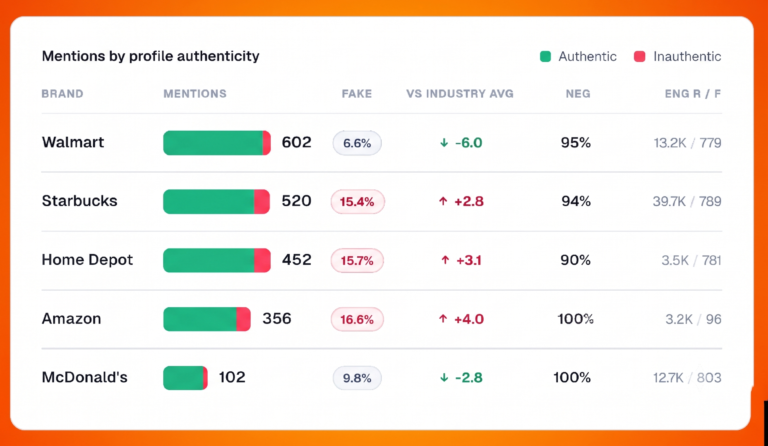
Cyabra's analysis of the boycott targeting five major U.S. retailers found inauthentic accounts padding volume and hopping between brands, without manufacturing the underlying anger.
Cyabra found that fake accounts driving stock market conversations grew 4 percentage points in 2025, with coordinated networks manipulating investor sentiment through both negative and promotional narratives.