How Online Narratives Reshaped South Korea's Elections
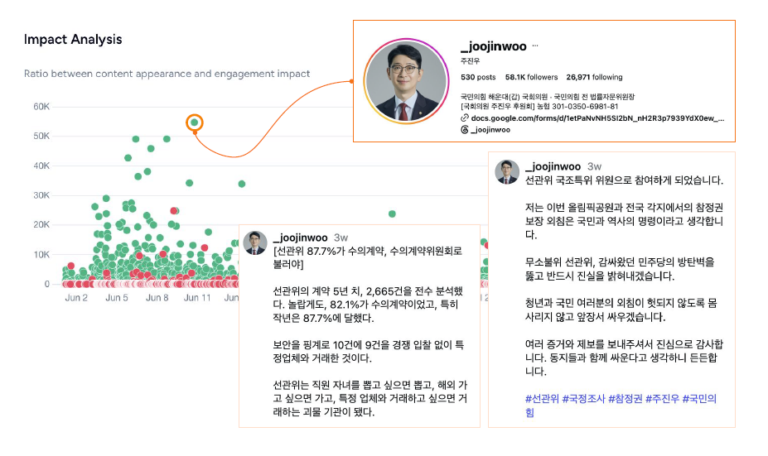
Cyabra's analysis found a coordinated network of inauthentic accounts amplifying election fraud claims following a ballot paper shortage during South Korea's June 3 elections.
Cyabra is Named a Market Shaper in the June 2026 Gartner® Emerging Market Quadrant for Narrative Intelligence – Startup Vendors
Get Free Report
As the largest vaccination campaign ever attempted got underway, Cyabra monitored the discourse on Twitter and Facebook. A random sampling of over 132,000 accounts taking part in the conversation found that more than 13% were fake, and formed communities. Two of these were dedicated to promoting the AstraZeneca vaccine and spreading negative messages about their competitors. Another spread disinformation about Covid and vaccines in general. A fourth, active on Facebook, linked the vaccinations to messaging on Bitcoin.
Cyabra's analysis found a coordinated network of inauthentic accounts amplifying election fraud claims following a ballot paper shortage during South Korea's June 3 elections.
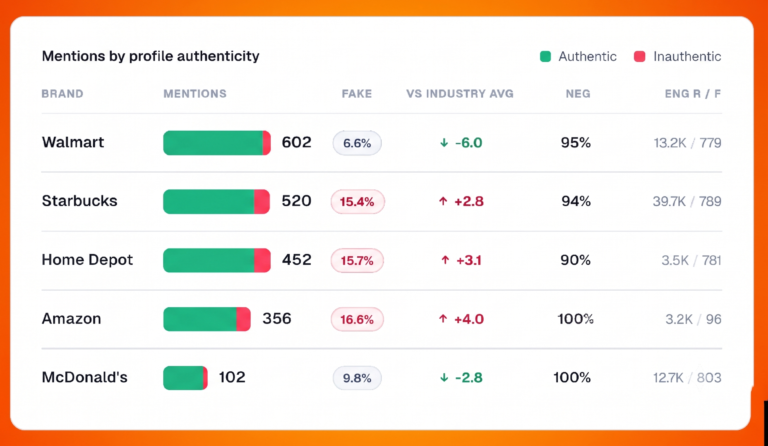
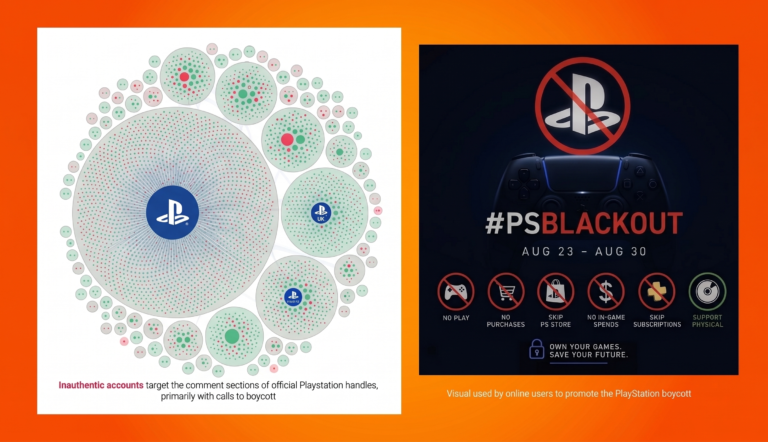
Cyabra's analysis of the boycott targeting five major U.S. retailers found inauthentic accounts padding volume and hopping between brands, without manufacturing the underlying anger.
Cyabra found that fake accounts driving stock market conversations grew 4 percentage points in 2025, with coordinated networks manipulating investor sentiment through both negative and promotional narratives.