A spike in negative mentions shows communications teams that a conversation is growing, but rarely who is driving it. That gap shapes the most consequential decision in a reputation crisis: whether to respond at all, and how. This article is based on Cyabra’s CEO Dan Brahmy’s talk at the 2026 AMEC Global Summit, which centered on that decision.
- Real criticism and inauthentic amplification can share one conversation, as in the Cracker Barrel backlash, where about one in five echoing accounts were inauthentic.
- A motivated minority can steer a narrative, with inauthentic participation reaching around 38% on some sensitive topics.
- A sentiment spike can mislead, as American Eagle’s 4,000% rise in negative sentiment preceded a 25% share price surge after earnings.
- The choice to ignore, monitor, or escalate should rest on who is participating as well as how many.

Real Grievances Give Inauthentic Accounts Their Opening
Reputation attacks often begin with something real: a new logo, a leadership appointment, a product claim customers question. Generative AI lets malicious actors join those conversations cheaply and at scale, adopt the language of genuine critics, and push a complaint toward a more damaging interpretation.
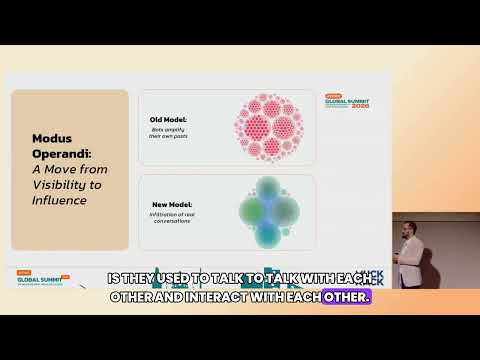
In his talk, Brahmy described a cycle that can unfold in less than a day. Real customers voice frustration. Inauthentic accounts blend in and draw more people into the discussion. A journalist sees apparent momentum without the evidence to separate genuine concern from manipulation, and the perceived signal becomes the story. Coverage then creates real consequences, which feed the next round.
Cracker Barrel Shows How a Minority Can Steer the Story
The Cracker Barrel logo controversy in August 2025 had genuine roots. After the company replaced its illustrated identity with a simpler logo, real customers raised three central concerns: abandoning the brand’s heritage, speculation about financial trouble, and blame directed at the CEO.
Cyabra’s analysis found that about one in five accounts echoing these messages was inauthentic, compared with a typical range of 5% to 10%. These accounts amplified the frustration rather than originating it. Their activity reached an estimated five million people within two days. During the same window, the company issued a public apology and its share price fell.
While social analysis cannot establish a single cause for a market outcome, the issue here is the response. A heritage concern, a financial rumor, and a personal attack on leadership may each call for a different message. Knowing which concerns were authentic, and how each was amplified, could have supported a more targeted reply.
Sentiment Dashboards Leave the Hardest Question Unanswered
Monitoring tools track mentions, reach, and sentiment. Many were not built to assess whether accounts are authentic, whether content is genuine, or whether apparently independent voices are coordinating. Cyabra proposed a more useful question than whether inauthentic activity is a majority: whether a motivated minority can turn a small signal into a movement. On some sensitive topics, that minority has reached around 38% of participants.
Fabricating a crisis is also getting cheaper. Brahmy shared a demonstration he built in about ten minutes with one prompt in a widely available AI tool: a furious influencer complaining about a dental brand. The influencer, the brand, and the engagement were all invented. Repeated across weeks and informed by what real customers already say, content like this could become a convincing part of a larger campaign.
Evidence Should Decide Whether to Ignore, Monitor, or Escalate
Cyabra’s framework offers three options, chosen on evidence rather than dashboard pressure.
- Ignore means not responding publicly when the evidence does not justify it, an informed choice made with full awareness of the conversation. Brands have added fuel to their own fire by elevating activity that never warranted a statement.
- Monitor fits narratives that are concerning but not yet a business threat. Teams stay close to their agency and internal leaders, review developments several times a day, and track who is driving the story.
- Escalate applies when the evidence points to a significant threat. Size offers no immunity. Brahmy has seen serious situations dismissed by confident executives, followed by consequences within 48 hours. Impersonation of the brand or its executives can warrant escalation even at low reach.

American Eagle Shows How a Sentiment Spike Can Mislead
Negative sentiment around American Eagle’s Sydney Sweeney campaign rose roughly 4,000% within a few days, with real consumer criticism magnified by inauthentic accounts. The brand did not respond publicly before its earnings announcement, which was followed by a share price surge of about 25%.
Whether the silence was strategic or a quiet-period constraint, the lesson holds: Sentiment and purchasing behavior told different stories, and an alarming social signal alone does not establish that an immediate statement is the best business decision.
Takeaways for Communications Teams
- Treat authenticity as a filter before any response decision, asking who is participating as well as how many.
- Map each narrative separately, since heritage concerns, financial rumors, and attacks on leadership may each need a different reply.
- Make restraint an informed decision, with a named owner and a set time to reassess.
- Align the CEO, communications leadership, crisis team, and agency on one shared reading of the signal before anyone drafts a statement.
- Agree on escalation triggers, such as impersonation or sustained spread, before an incident begins.
To see how Cyabra helps communications teams separate authentic criticism from inauthentic amplification, contact Cyabra.
Watch Dan Brahmy’s full AMEC 2026 session.